Transaction Mapping Strategies for Effortless Access to Mobile Live Events and Prize Pool Growth

Transaction mapping has emerged as a core operational tool that operators deploy to align payment sequences with entry windows for portable live events while directing funds into accumulating prize pools. Data from industry monitoring shows that structured mapping reduces failed entries by connecting deposit confirmations directly to tournament registration systems in real time.
Core Elements of Transaction Mapping in Portable Environments
Portable live events operate across mobile networks where timing determines participation eligibility. Mapping starts with identification of payment rails such as instant bank transfers, e-wallets, and card processors, then charts each rail against specific event start times. Operators record latency metrics for each option so that a user selecting a slower rail receives a prompt to switch to a faster one before the window closes.
Studies conducted by academic researchers at the University of Nevada Reno indicate that mapping layers can incorporate conditional triggers; for instance, when a prize pool threshold reaches a predetermined level the system automatically prioritizes deposits that unlock bonus entries. This approach maintains continuous flow without manual intervention from participants.
Integration with Live Dealer Sessions and Reel Events
Live dealer sessions require synchronized funding because tables open at fixed intervals. Transaction maps assign each payment method a priority score based on settlement speed and fee structure, then route users toward the method that matches their intended entry time. Reel events follow similar patterns yet add volatility factors because progressive pools fluctuate with every spin across connected terminals.
Regulatory filings submitted to the Nevada Gaming Control Board during the first half of 2026 documented a 14 percent rise in mobile tournament entries that coincided with wider adoption of mapped transaction pathways. The same reports noted that operators who updated their maps monthly captured higher average prize pool contributions per user compared with those using static routing.
Accumulating Prize Pools Through Mapped Sequences
Prize pool accumulation depends on consistent inflow timing. Mapping software tracks each deposit's contribution percentage, applies it to the pool ledger, and confirms eligibility before the next event cycle begins. When multiple events run concurrently the map creates parallel tracks that prevent overlap in fund allocation.
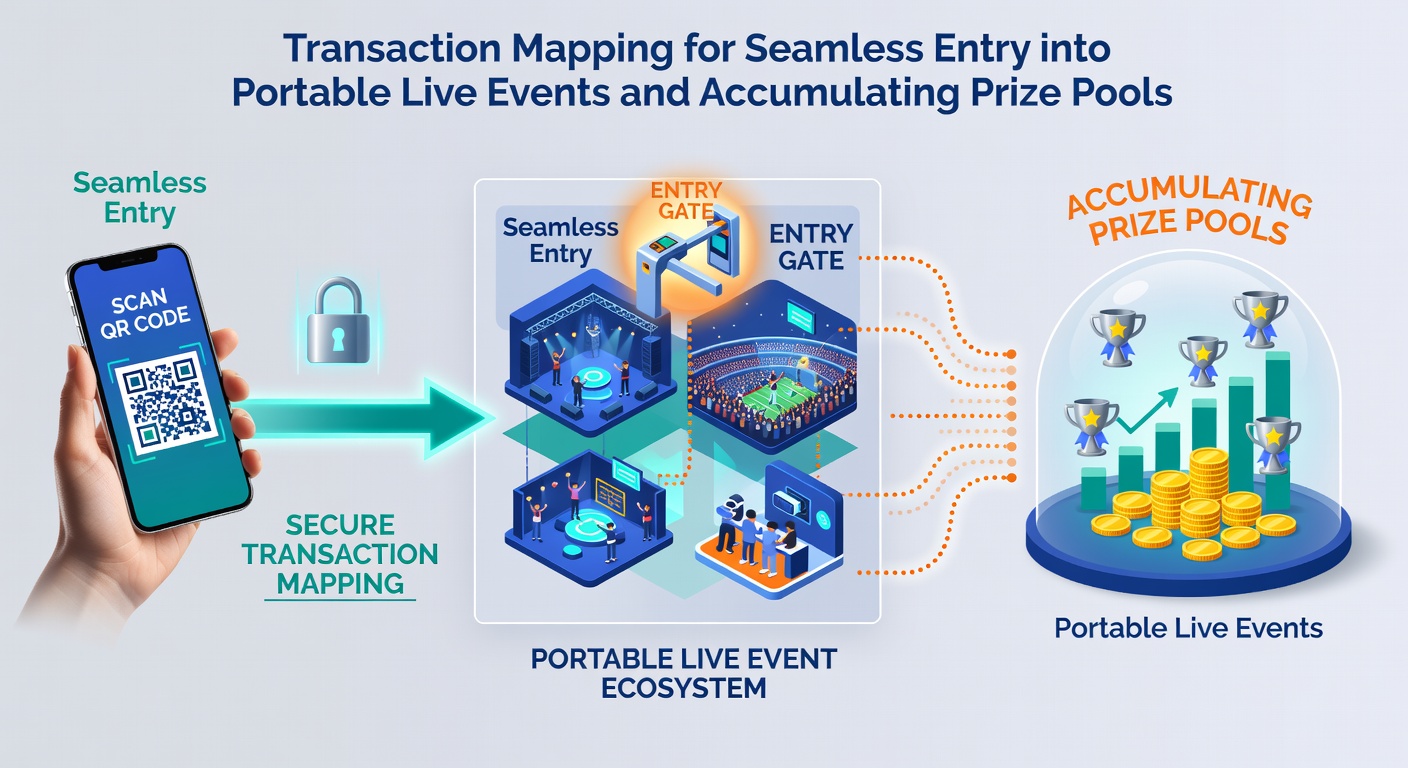
June 2026 saw several North American operators release updated mapping protocols ahead of summer festival schedules. These updates included dynamic rerouting that shifted users from congested payment channels to underutilized ones, thereby sustaining pool growth during peak hours. Figures released by state gaming commissions in New Jersey and Pennsylvania showed corresponding increases in total pool values during those weeks.
Technical Components and Data Flows
Effective maps rely on three interconnected layers. The first captures raw transaction data including amount, method, timestamp, and user identifier. The second applies business rules that match entries to available events and calculate pool shares. The third generates confirmation messages that reach the user device within milliseconds of successful mapping completion.
Industry organizations such as the European Gaming and Betting Association have published technical guidelines that emphasize audit trails within each layer. These trails allow regulators to verify that mapped transactions comply with jurisdictional limits on prize contributions and player spending.
Regional Adaptations Observed in 2026
Operators in the Asia-Pacific region have adapted mapping frameworks to accommodate local payment preferences such as QR-code systems and regional e-wallets. Reports from Australia's National Consumer Protection Framework monitoring group highlight that mapped sequences reduced entry drop-off rates during live poker tournaments conducted on mobile platforms throughout May and June 2026.
In contrast, European operators have focused on cross-border compliance within mapped flows, ensuring that currency conversion steps occur before registration confirmation. Data compiled by the Malta Gaming Authority indicates steady growth in mapped mobile entries during the same period without corresponding increases in regulatory queries.
Conclusion
Transaction mapping continues to evolve as operators refine the connections between payment execution and event participation. Records from multiple jurisdictions demonstrate that systematic mapping supports both seamless entry into portable live events and steady accumulation within prize pools. Continued refinement of these systems remains tied to advances in payment technology and regulatory reporting requirements across different markets.