Tracing Tiered Incentive Pathways Across Hybrid Card-Reel Competition Formats
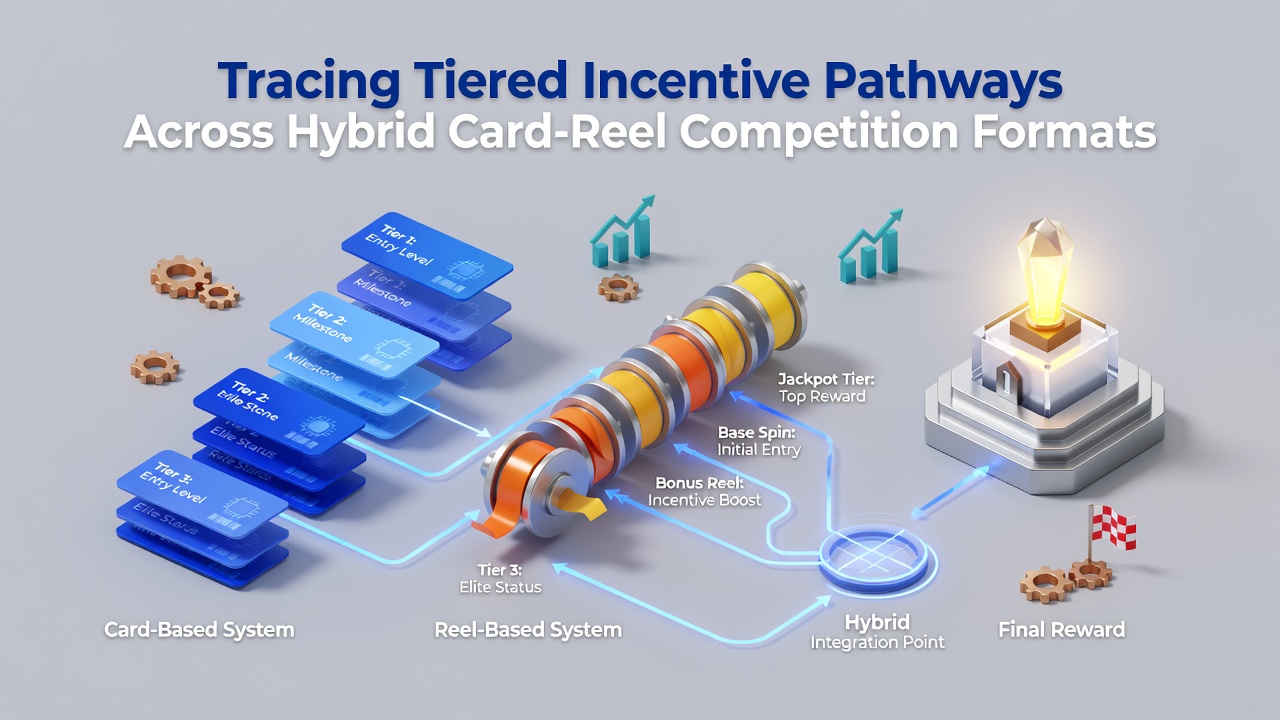 Hybrid card-reel competition formats combine elements of traditional card play with reel-based mechanics, and operators have developed structured incentive systems that reward participants across multiple levels of engagement. These pathways operate through progressive tiers where initial entry points feed into higher reward brackets based on accumulated activity across both card and reel segments.
Core Components of Hybrid Formats
Card-reel hybrids integrate poker-style decision trees with slot reel outcomes in single-session events, and data from industry tracking platforms show that these events attract participants who move between skill-based rounds and chance-driven spins within the same competition window. In July 2026 participation logs indicated a measurable uptick in cross-format entries during peak evening hours, as players completed card segments then transitioned directly into reel phases to maintain eligibility for shared prize pools.
Mapping Tier Structures
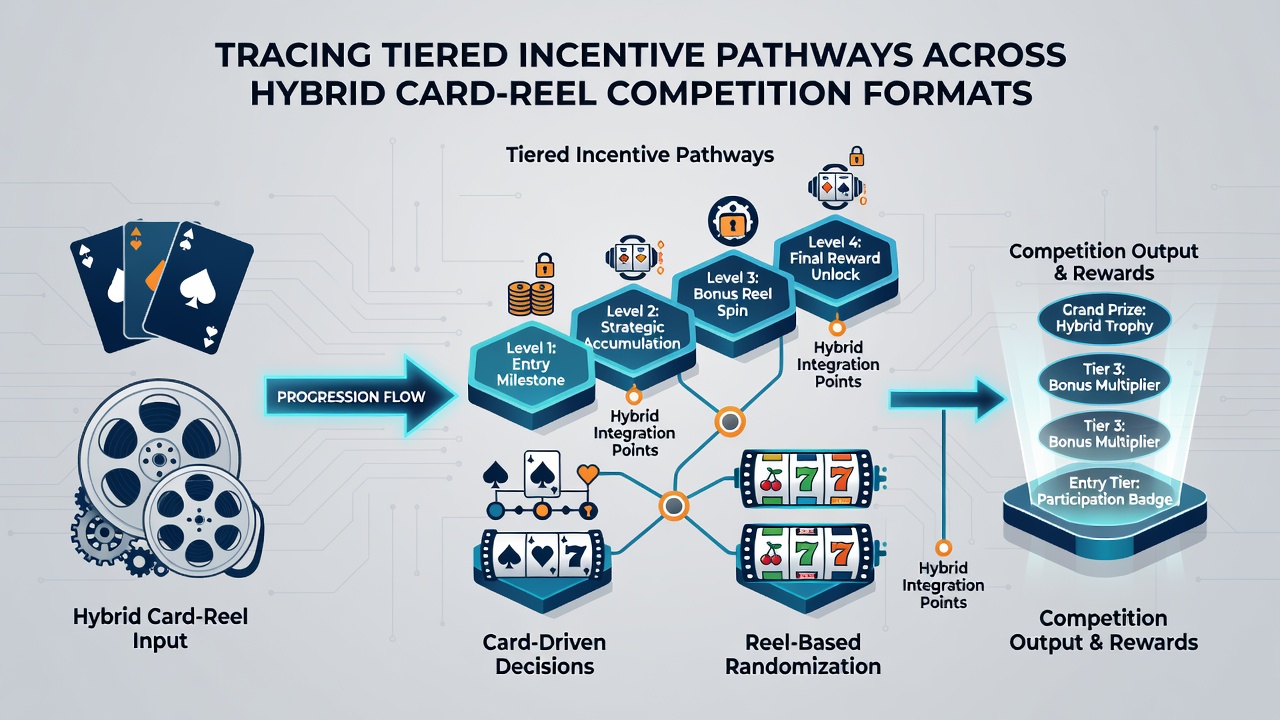
Tiered incentives begin at entry-level brackets that grant base access to both card tables and reel banks, then advance through intermediate stages where cumulative points from mixed activities unlock bonus multipliers. Observers note that higher tiers often require verified sequences of wins or consistent participation across consecutive events, and these requirements create visible pathways that link early-stage rewards to later-stage access. Research compiled by regional regulators demonstrates that such layering encourages sustained involvement rather than isolated entries.
Practical Implementation in July 2026 Events
During July 2026 several platforms synchronized their tier progression with real-time leaderboards that tracked card hand rankings alongside reel multiplier achievements. Participants who reached the third tier gained eligibility for exclusive hybrid finals where card and reel scores combined into unified totals. External analysis from the iGaming Ontario annual review highlighted how these synchronized timelines reduced drop-off rates between phases while maintaining separate scoring tracks for each format type.
Pathway tracing tools used by operators allow administrators to follow individual accounts through each tier transition, revealing patterns such as rapid advancement when players balance card wins with reel volume. One documented case from an Australian operator showed that participants who completed a card segment before attempting reel rounds advanced an average of one tier faster than those who focused on a single format.
Data Patterns Across Regions
Figures released by the New South Wales Department of Customer Service in mid-2026 indicated that hybrid events incorporating tiered rewards generated higher average session lengths compared with standalone card or reel tournaments. The same dataset revealed that intermediate-tier participants contributed disproportionately to overall prize pool growth because their activity fed both formats simultaneously.
Those who study incentive design point out that successful pathways often include visible milestones displayed within the interface, allowing players to see remaining requirements for the next tier. This transparency appears in multiple platform reports and correlates with increased completion rates across hybrid sessions. When card achievements carry over as partial credit toward reel milestones, the resulting pathways become more fluid and reduce the perception of separate competitions.
Conclusion
Tracing tiered incentive pathways in hybrid card-reel formats reveals interconnected systems where early actions influence later access across both game types. Data collected through July 2026 demonstrates that these structures maintain distinct scoring while enabling combined progression, and regulatory summaries from multiple jurisdictions continue to document their operational characteristics without prescribing specific designs. The pathways remain observable through account-level tracking and aggregated participation metrics that operators publish at regular intervals.