Strategic Sequencing of Transaction Options to Optimize Entry Windows in Mobile Table Competitions and Reel Events
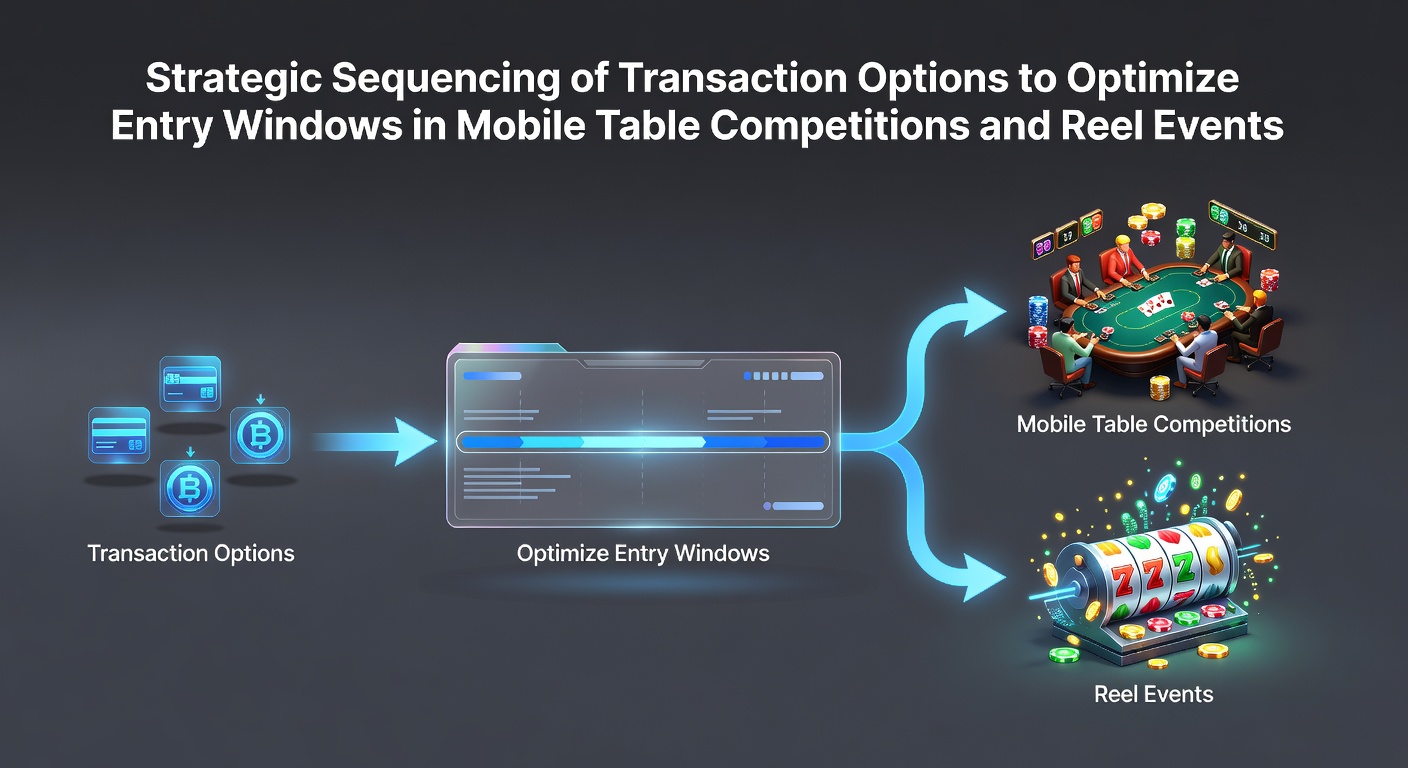
Transaction sequencing in mobile gaming refers to the deliberate order in which players select and execute different funding methods before entering competitions. Data from industry reports shows that timing these choices can align with opening periods for table tournaments and reel events on smartphones and tablets. Payment processors track patterns where users who switch between instant wallets and scheduled bank transfers often complete entries during peak availability windows.
Platforms supporting live dealer tables and slot tournaments process thousands of deposits daily. Research indicates that certain methods like e-wallets clear faster than traditional cards during high-volume periods. Observers note that May 2026 brought increased mobile traffic as seasonal promotions expanded entry options across multiple operators.
Core Components of Transaction Sequencing
Players begin by identifying available funding channels on their chosen app. These typically include digital wallets, direct bank links, prepaid cards, and in some regions cryptocurrency transfers. Each option carries distinct processing times that affect when an entry registers in the system. Experts have observed that combining an initial small wallet deposit with a follow-up bank transfer allows users to secure spots before larger prize pools fill.
Reel events often open registration at fixed intervals throughout the day. Studies from gaming analytics firms reveal that entries placed within the first fifteen minutes of an opening window face less competition. Those who sequence transactions to confirm funds quickly gain access during these narrower periods. Table competitions follow similar patterns yet add an extra layer because live dealer sessions require real-time balance verification before seating assignments occur.
Optimizing Entry Windows Through Method Order
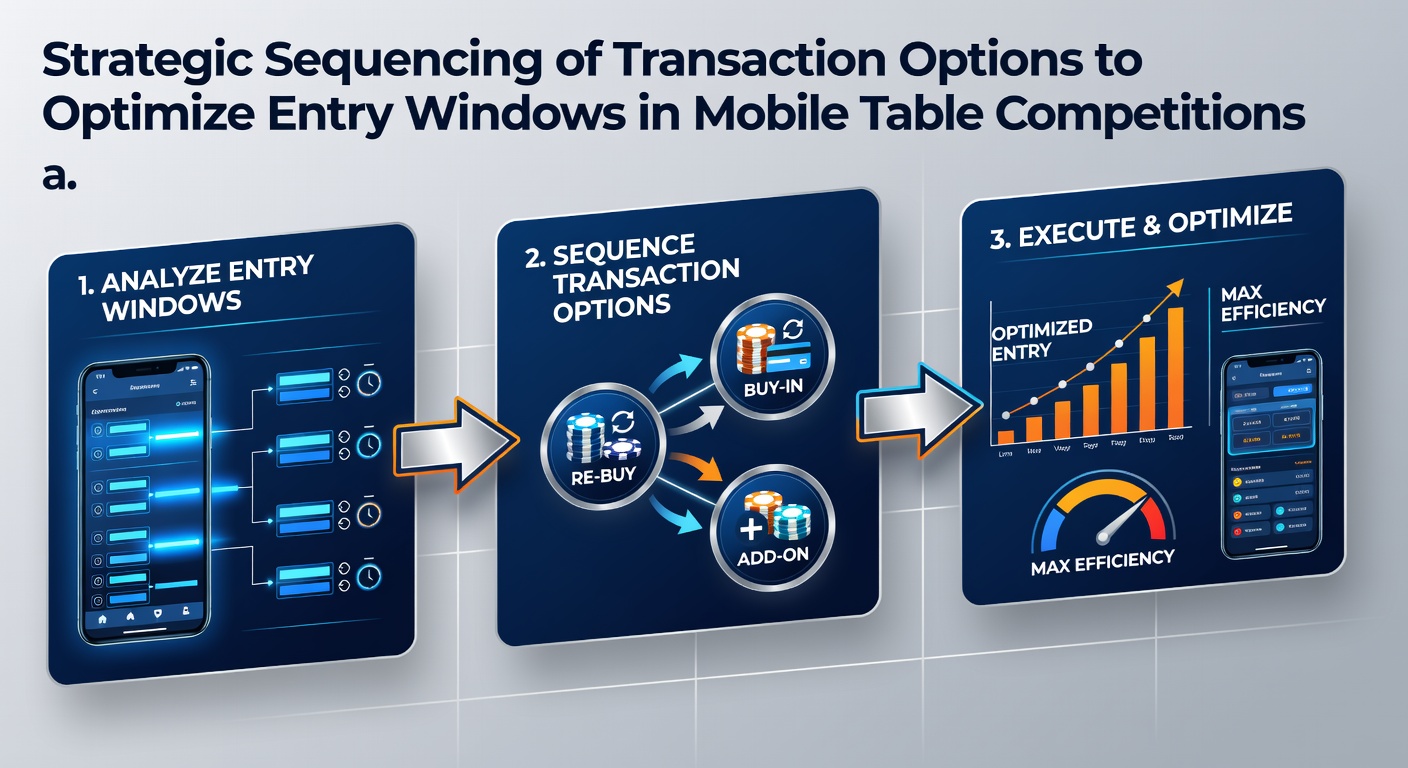
Effective sequencing starts with methods that authorize instantly. Once the initial confirmation arrives, users switch to secondary options that carry higher limits or bonus eligibility. This approach keeps the total transaction time under the threshold most platforms enforce for tournament registration. Figures from European gaming associations show that players who maintain multiple verified methods complete entries up to forty percent faster than those relying on single channels.
What's interesting is how regional regulations influence available sequences. In markets where daily deposit caps exist, users stagger smaller amounts across different verified accounts to stay compliant while still meeting entry requirements. Australian regulatory summaries highlight that operators must display real-time processing estimates for each method, giving players clearer data to plan their order of operations.
Practical Patterns Observed Across Platforms
One documented pattern involves starting with a wallet transfer for speed, then following with a card payment that unlocks promotional credits. This two-step method works particularly well when reel events offer time-limited multipliers. Data collected by North American research groups shows that entries using sequenced funding participate in an average of 2.3 more events per week compared with single-method users.
Live table competitions add complexity because seating depends on confirmed balances at the exact start time. Those who complete their transaction sequence at least ten minutes prior avoid last-second processing delays. Industry organizations in Canada have published guidelines recommending players test each method during off-peak hours to map actual clearance times before major events.
Integration With Platform Features
Many mobile applications now display countdown timers alongside deposit options. These tools help users visualize how long each sequence will take relative to the next entry window. Research papers from university gaming studies departments indicate that visual aids increase successful registrations by guiding players toward faster methods first.
Bonus structures tied to deposit order also play a role. Some promotions activate only when a second or third transaction occurs within a set window. Players who plan sequences accordingly capture these layered rewards while entering competitions at optimal times. Reports from Singapore's gambling regulatory body note rising adoption of multi-step funding among mobile tournament participants since early 2026.
Conclusion
Strategic sequencing of transaction options continues to shape participation rates in mobile table competitions and reel events. As processing speeds and regulatory frameworks evolve, users who map method order against known entry windows maintain consistent access. Current figures from May 2026 confirm that platforms providing transparent timing data see higher completion rates for sequenced deposits across both tournament formats.