Regulatory Shifts Reshaping Prize Pools Across Multi-Device Gaming Platforms
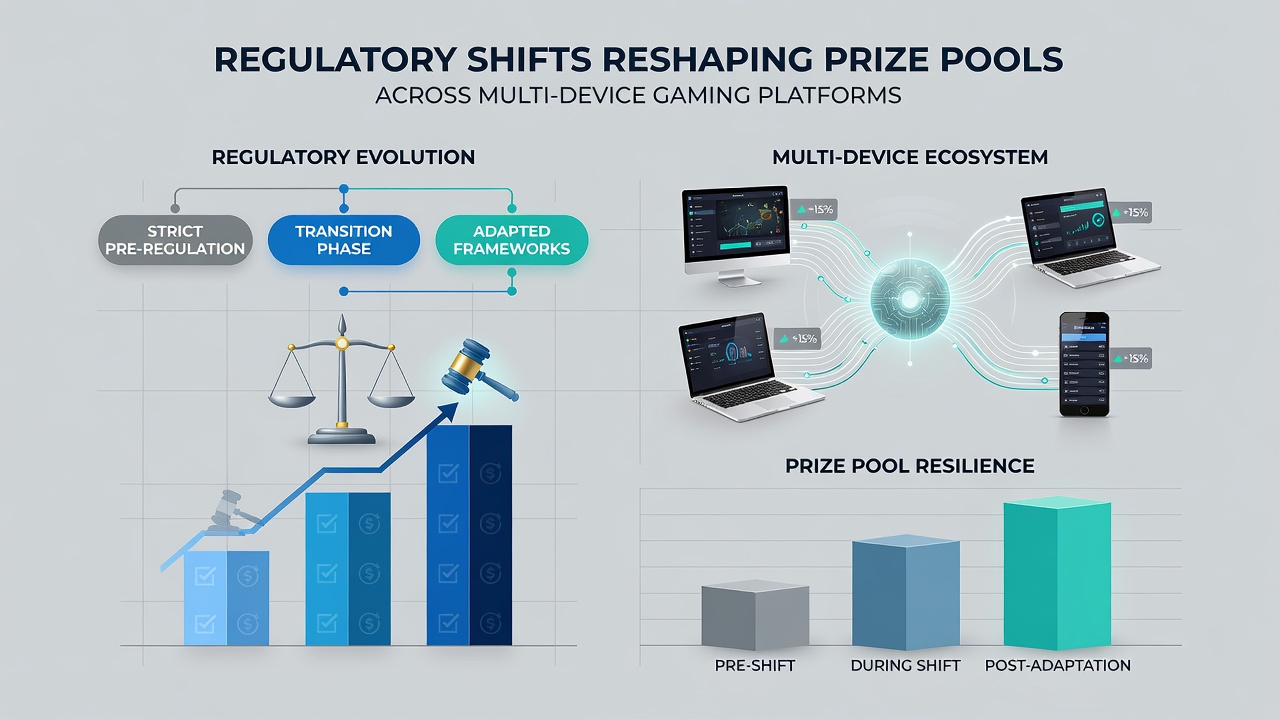
Regulatory frameworks governing online and multi-device gaming continue to evolve as jurisdictions adjust rules around prize distribution, player eligibility, and cross-platform operations, and these adjustments directly influence how prize pools form and allocate across desktop, mobile, and tablet environments. In June 2026 several regions implemented updated compliance requirements that altered contribution structures for tournaments and progressive systems, prompting operators to recalibrate their offerings while maintaining operational continuity.
Key Regulatory Developments in 2026
Multiple licensing bodies introduced measures that standardized reporting on prize pool funding sources and required clearer separation between device-specific player segments, and these changes affected how contributions from different platforms combined into shared pools. Data from the Malta Gaming Authority shows that revised guidelines on pooled prize mechanics took effect in early June, requiring operators to verify device origin for each entry before allocation, which streamlined auditing processes yet demanded updated backend systems.
Meanwhile authorities in New Jersey updated their Division of Gaming Enforcement protocols to address multi-state player participation in shared events, and the adjustments clarified tax withholding procedures tied to prize values that span device types. Operators responded by modifying entry interfaces to display real-time pool totals segmented by mobile versus stationary access, ensuring compliance without disrupting user flow.
Effects on Prize Pool Structures
Prize pools in multi-device formats rely on aggregated entry fees and rake contributions, yet new rules often cap the percentage that can originate from mobile sessions or require minimum desktop participation thresholds in certain markets. Researchers tracking these patterns note that such caps have led platforms to introduce hybrid events where players switch devices mid-tournament without losing accumulated stakes, a technical adjustment that preserves pool integrity under the updated statutes.
Evidence from industry reports indicates that progressive jackpot systems experienced the most pronounced shifts because regulations now mandate separate tracking for contributions made via apps versus browser-based play, and this separation prevents over-allocation while allowing pools to grow through verified channels. One study released in mid-2026 revealed that average pool sizes in regulated multi-device slots remained stable despite the added reporting layers, largely because operators optimized contribution rates across regions.
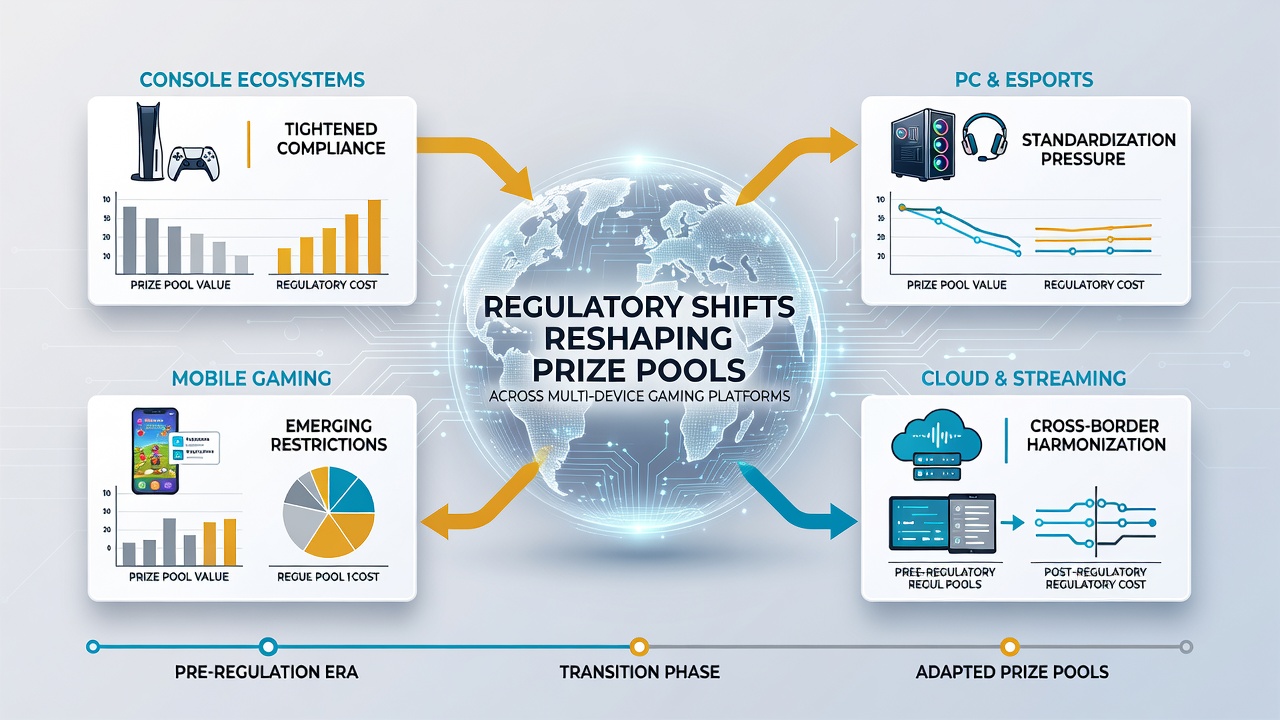
Regional Variations and Platform Adaptations
Australian regulators through the Australian Communications and Media Authority expanded oversight of cross-device competitions in June 2026 by requiring explicit disclosure of how geographic restrictions influence pool eligibility, and platforms serving that market adjusted their systems to display location-based filters at registration. This approach allowed continued growth in combined desktop and mobile events while satisfying local transparency mandates.
European operators aligned with broader digital services directives by implementing device-agnostic verification tools that log each contribution's origin, and the resulting data feeds into centralized reporting that regulators review quarterly. Those who've examined these systems observe that the changes reduced discrepancies in prize calculations across borders without diminishing overall participation rates in major tournaments.
Technical and Operational Responses
Platform providers integrated new APIs to handle segmented prize contributions automatically, ensuring that mobile entries feed into pools at rates consistent with desktop activity under prevailing rules. Observers note that these integrations often include fallback mechanisms that pause contributions from non-compliant devices until verification completes, thereby protecting pool totals from regulatory penalties.
Case examples from major providers illustrate how real-time dashboards now track device mix percentages within active events, allowing quick adjustments when thresholds approach limits set by licensing agreements. Such monitoring tools became standard after June 2026 updates took hold across multiple jurisdictions.
Conclusion
Regulatory evolution around multi-device gaming continues to shape prize pool mechanics through refined tracking, eligibility rules, and reporting standards that operators implement across their platforms. Figures from licensing authorities demonstrate sustained pool activity when systems adapt promptly to these requirements, and ongoing developments in June 2026 underscore the interconnected nature of compliance and prize distribution in today's gaming environment. Platforms that maintain flexible architectures position themselves to accommodate further adjustments while delivering consistent player experiences across all access points.