Palasino Holdings Reports Steady Revenue Growth Fueled by Czech Republic Casino Debut

Hong Kong-listed Palasino Holdings Ltd posted total revenues of HK$611.1 million, equivalent to US$77.9 million, for the financial year ended March 31, 2026, marking a 7.6% rise from the prior period according to company filings and industry coverage. Observers note the increase stemmed primarily from expanded gaming activities following the debut of Palasino Mikulov, which underwent a soft launch in December 2025 and held its grand opening on March 21, 2026, in the Czech Republic.
Gaming revenue climbed to represent approximately 73.3% of the overall total, reflecting a deliberate shift toward core operations at the new venue and existing properties. Data shows this emphasis helped offset softer contributions from non-gaming segments while establishing a clearer growth trajectory for the group across Central European markets.
Breakdown of Financial Results
Net profit declined 10.4% year-on-year as operating costs rose in connection with the Mikulov opening, including staffing, marketing and infrastructure investments required to bring the facility online. Yet adjusted net profit, which excludes one-time expenses, advanced 35.7%, indicating underlying operational improvements once exceptional items were removed from the calculation.
Revenue composition shifted noticeably during the twelve-month period, with the newest property contributing incremental gaming volume that lifted the overall figure despite currency fluctuations and regional competition. Figures reveal the Czech site quickly integrated into the portfolio, adding both slot and table game activity that aligned with management targets set at the planning stage.
Operational Impact of Palasino Mikulov
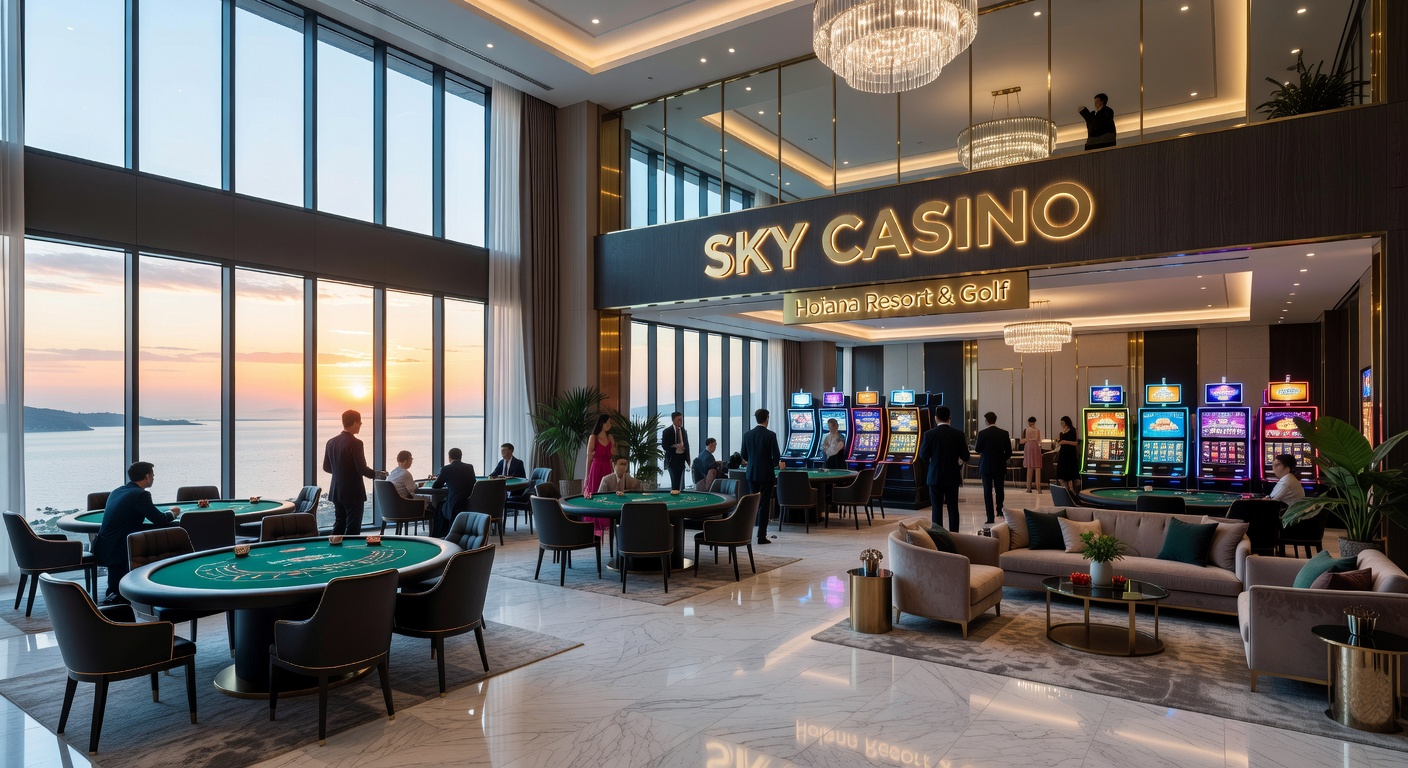
The Mikulov location sits in a key cross-border area that draws visitors from neighboring countries, and its phased rollout allowed testing of demand before the formal March opening. Industry reports indicate the property's early performance helped stabilize group-wide metrics during the final quarter of the fiscal year when seasonal patterns typically moderate activity at other sites.
Company statements highlight that management prioritized gaming floor optimization and player acquisition programs at Mikulov, which in turn elevated the proportion of revenue derived from tables and machines. Those adjustments produced measurable gains that carried through to the full-year numbers released in June 2026.
Cost Dynamics and Adjusted Performance
Higher expenses arose from pre-opening outlays, ongoing development work and increased depreciation charges tied to the new asset. While these items pressured reported net profit, the adjusted measure demonstrated resilience once those costs were isolated, underscoring the earnings potential of the expanded footprint.
Analysts tracking the sector observed that similar patterns appear when operators introduce fresh venues, where initial capital deployment temporarily compresses headline profits before recurring revenue streams mature. The 35.7% lift in adjusted profit provides a clearer signal of the underlying business momentum generated by the Czech expansion.
Market Context in Mid-2026
By June 2026 the results positioned Palasino Holdings among regional peers navigating post-pandemic recovery and shifting regulatory environments across Europe. The emphasis on gaming revenue growth aligns with broader trends documented in industry analyses from sources such as the European Gaming and Betting Association, which track venue-level performance across member states.
Stakeholders monitoring the Czech gaming market have noted continued interest in new licenses and facility upgrades, and Palasino's experience offers one data point illustrating how targeted openings can influence consolidated outcomes for listed operators.
Conclusion
The fiscal 2026 performance illustrates how a single new property can reshape revenue composition and support adjusted profitability even amid elevated costs. With Palasino Mikulov now fully operational, subsequent reporting periods will show whether the 73.3% gaming contribution sustains or expands further as the venue matures. The June 2026 release of these figures supplies investors and regulators with concrete benchmarks against which future European expansions can be measured.