Navigating Approval Sequences to Unlock Timed Entries in Virtual Card Contests and Reel Challenges
Zoe Schmitt · Jul 31, 2026
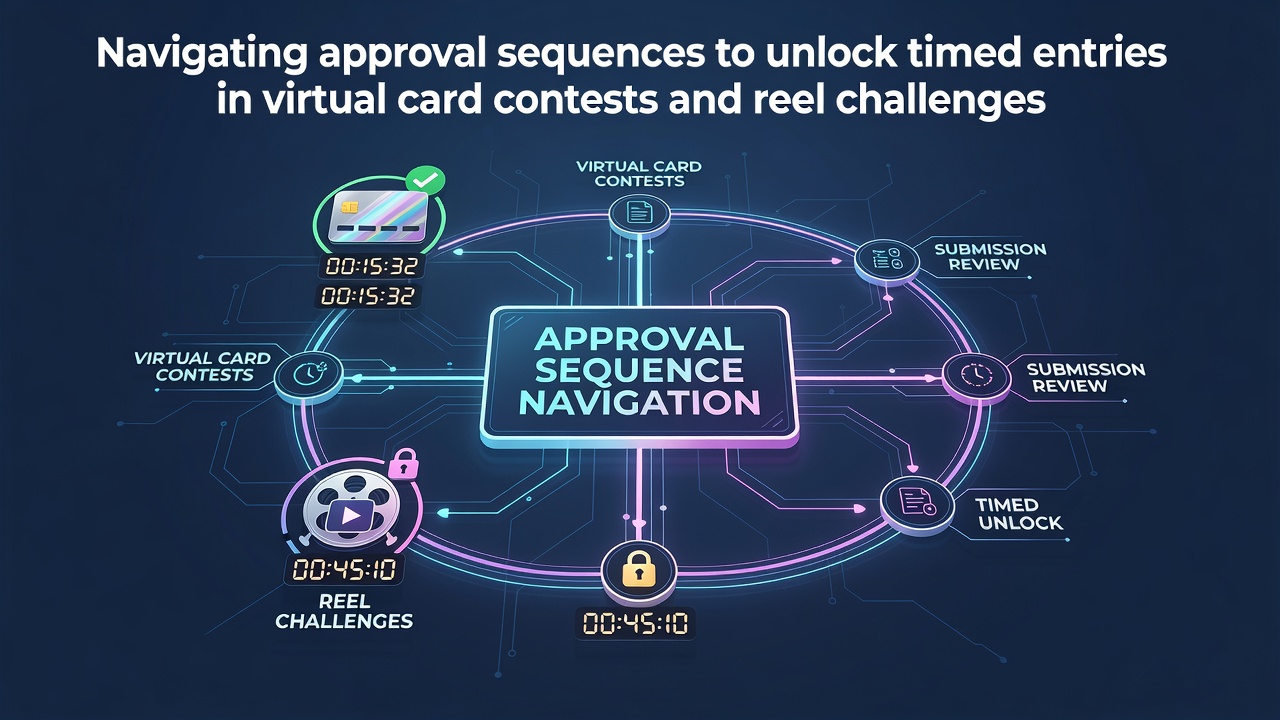
Navigating Approval Sequences to Unlock Timed Entries in Virtual Card Contests and Reel Challenges
Virtual card contests and reel challenges require participants to complete layered approval sequences before gaining access to time-bound entry windows, and these processes combine identity verification, account validation, and platform-specific clearances that align with contest schedules. Data from industry reports show that successful navigation depends on synchronizing each approval stage with the precise opening periods for events, which often last only a few hours in July 2026 calendars. Observers note that platforms structure these sequences to include document uploads, biometric checks, and automated system reviews, each of which feeds into the next step without unnecessary delays.
Core Components of Approval Sequences
Approval sequences typically begin with initial registration checks that confirm user eligibility through government-issued identification and address verification, while subsequent layers examine transaction histories and prior contest participation to flag any irregularities. Researchers at academic institutions have documented how these steps integrate with contest timelines, allowing participants who complete early verifications to secure spots ahead of peak demand periods. Those who have tracked platform updates in 2026 report that automated tools now handle most initial screenings in under ten minutes, yet manual reviews for complex cases can extend into the next business day and affect entry availability.
Application in Virtual Card Contests
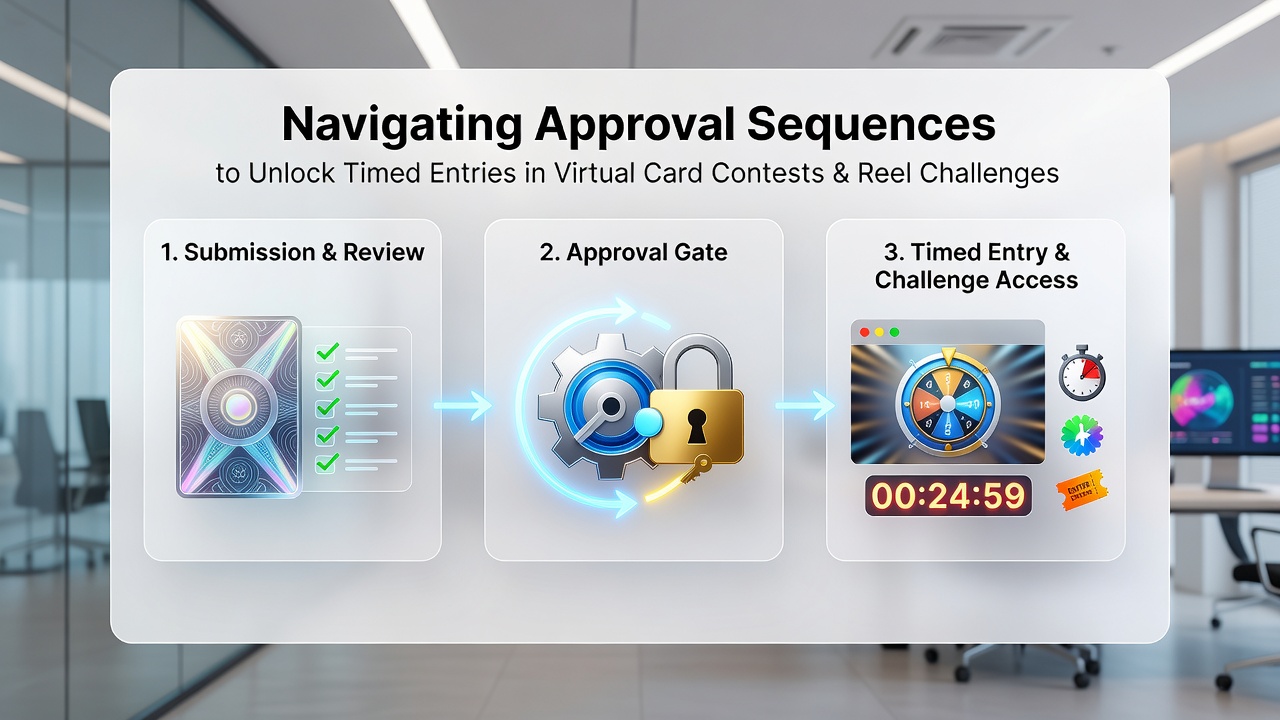
Card contest platforms enforce approval sequences that prioritize real-time authentication during registration windows, and participants who upload required documents before the contest clock starts often bypass secondary holds. Evidence from platform analytics indicates that biometric facial scans combined with device fingerprinting reduce entry friction for recurring users, whereas first-time entrants encounter additional cross-checks against regulatory databases. One documented workflow shows a user completing the sequence in sequence order, moving from profile setup through risk assessment to final confirmation, all within the same session when no flags arise.
Mechanics for Reel Challenge Entries
Reel challenge approvals follow parallel pathways that incorporate game-specific eligibility rules, such as minimum play history thresholds and regional access restrictions, which platforms enforce through sequential gates. Studies from research centers reveal that timed entries open only after the full sequence clears, creating a bottleneck when high volumes coincide with popular event launches. Participants who maintain verified profiles across multiple sessions find that subsequent approvals trigger faster because stored data eliminates redundant checks, and this pattern holds across several major platforms operating in 2026.
Timing Synchronization Strategies
Successful entrants coordinate approval completion with contest calendars by initiating sequences at least twenty-four hours before scheduled openings, and this approach accounts for variable review durations reported in user forums and support logs. Platforms publish estimated processing times for each stage, which helps users anticipate when clearances will activate entry buttons. Data released in July 2026 by regulatory monitoring groups shows that synchronized users experience fewer missed windows compared with those who begin approvals at the last moment.
Regulatory and Platform Variations
Different jurisdictions impose distinct approval requirements that platforms must embed into their sequences, ranging from enhanced due diligence for high-value contests to routine checks for standard reel events. According to reports from the Nevada Gaming Control Board, operators maintain audit trails of every approval step to demonstrate compliance during periodic reviews. In other regions, such as those overseen by Australian state authorities, additional responsible gaming assessments form part of the sequence, extending timelines for certain demographics while protecting overall platform integrity.
Common Obstacles and Resolution Paths
Delays frequently stem from mismatched documentation or temporary system holds triggered by unusual activity patterns, and participants who monitor status dashboards can address these issues before entry deadlines pass. Support teams at major platforms provide status updates through integrated messaging, allowing users to upload supplementary materials directly into active sequences. Tracking data from 2026 indicates that most holds resolve within four hours when users respond promptly, preserving access to the original contest window.
Conclusion
Approval sequences serve as structured gateways that balance security requirements with the need for timely contest participation across virtual card and reel formats. Platforms continue to refine these processes through automation and clearer timelines, while regulatory frameworks ensure consistent standards across regions. Participants who understand the sequential nature of each stage position themselves to complete requirements ahead of entry openings, and ongoing platform updates in 2026 reflect efforts to streamline these pathways without compromising verification integrity.