Mapping Interplay Between Approval Timelines and Entry Qualification Windows in Global Digital Gaming Competitions Involving Cards, Wheels, and Progressive Accumulations
Zoe Schmitt · Aug 5, 2026
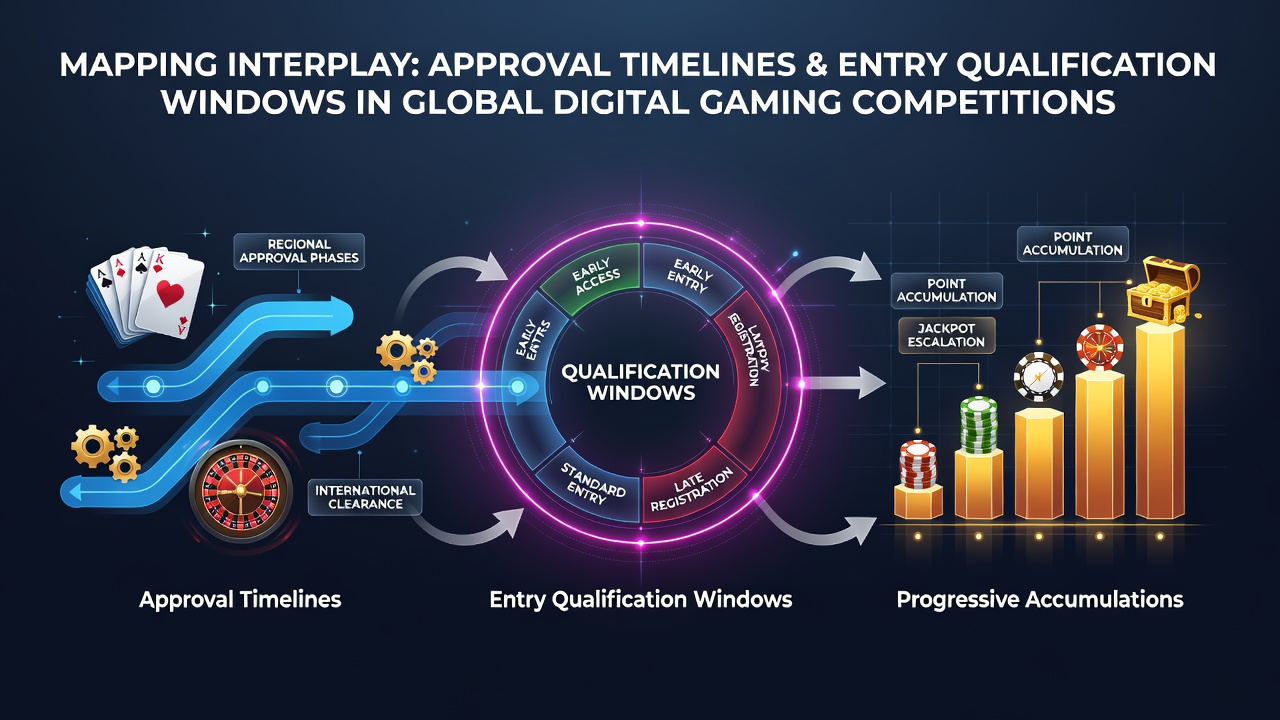
Mapping Interplay Between Approval Timelines and Entry Qualification Windows in Global Digital Gaming Competitions Involving Cards, Wheels, and Progressive Accumulations
Global digital gaming competitions that feature cards, wheels, and progressive accumulations operate under tight coordination between approval timelines and entry qualification windows, where payment processing durations directly influence whether participants meet registration deadlines across multiple jurisdictions. Operators in regions such as the European Union and parts of Asia have documented how deposit verification steps, which often span from several minutes to several hours, intersect with tournament entry cutoffs that close at precise intervals.
Regulatory Frameworks Shaping Approval Processes
Data from the European Gaming and Betting Association indicates that approval mechanisms for digital entries in card-based events and progressive jackpot competitions require sequential checks that include identity verification, fund clearance, and platform authorization. These steps create variable timelines depending on the payment method selected, with e-wallet transfers completing faster than traditional bank routes in most documented cases. Observers note that qualification windows for wheel-based tournaments, including those with progressive elements, frequently align with these clearance periods to prevent last-minute exclusions.
August 2026 brought updated reporting requirements in several Asian markets that extended verification windows for international participants, forcing operators to adjust entry schedules accordingly. Those adjustments ensured that approval sequences remained synchronized with qualification deadlines, reducing the number of incomplete registrations reported in official compliance filings.
Regional Variations in Timeline Interactions
North American platforms, particularly those licensed under frameworks similar to iGaming Ontario, demonstrate shorter approval cycles for card tournament entries when participants use pre-approved accounts, yet wheel competitions with progressive accumulations still impose additional hold periods for larger deposits. Studies from academic research groups have tracked how these differences affect participation rates, showing that regions with integrated real-time verification systems experience higher completion rates within fixed entry windows.
One documented pattern reveals that progressive accumulation events, which build prize pools over extended periods, maintain qualification windows that open days or weeks in advance, giving approval processes more buffer time compared to daily card or wheel tournaments. This structure allows operators to batch-process approvals while maintaining eligibility lists that update continuously.
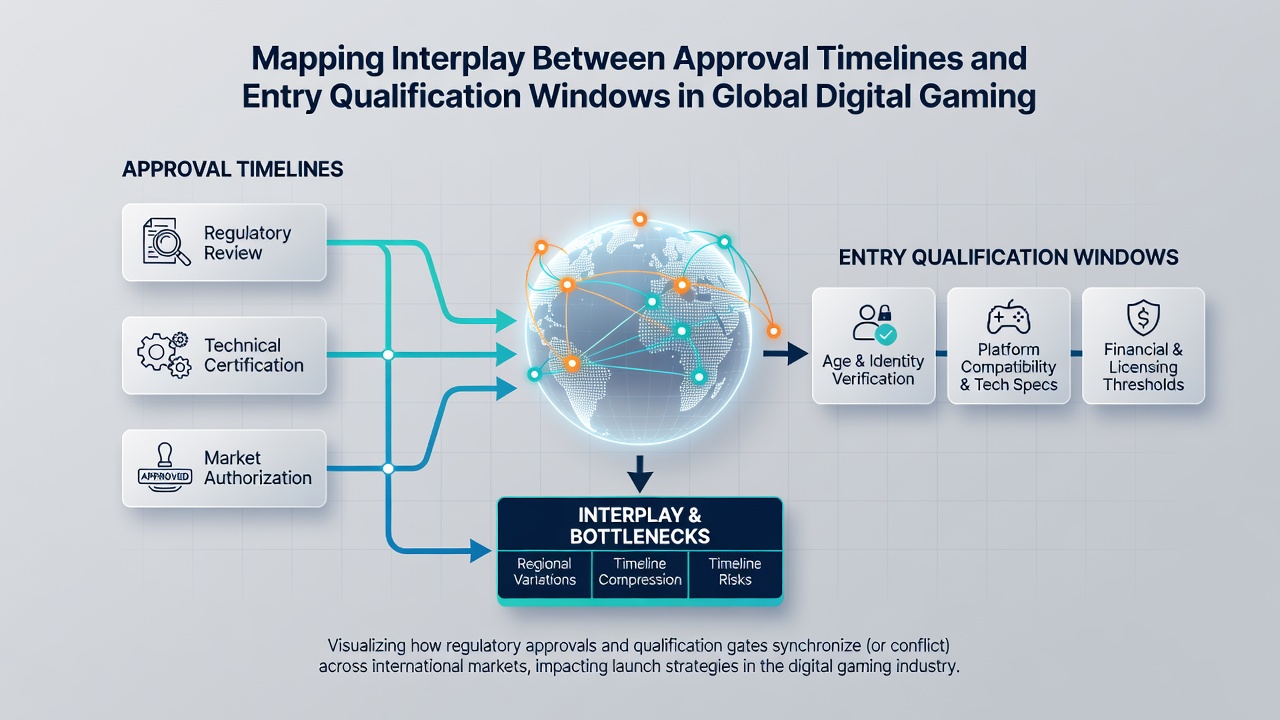
Payment Method Impacts on Qualification Access
Payment method selection influences how approval timelines align with entry qualification windows in competitions involving cards, wheels, and progressive accumulations. Credit card authorizations typically clear within minutes on platforms with established merchant relationships, whereas cryptocurrency transfers can introduce additional confirmation blocks that extend the process by hours. Figures from industry reports show that participants using slower methods often shift to earlier qualification periods to compensate for these delays.
But here's the thing: competition organizers have responded by publishing detailed approval time estimates alongside entry schedules, allowing players to map their deposit strategies against specific windows. This approach appears in multiple global markets where digital gaming events combine card play with wheel mechanics and accumulating jackpots.
Operational Adjustments and Data Tracking
Operators track approval-to-qualification ratios through internal dashboards that log each stage from deposit initiation to entry confirmation. These metrics reveal that events scheduled during peak hours experience longer verification queues, prompting some platforms to stagger qualification windows or offer priority processing for verified users. Research indicates that such adjustments maintain steady participation levels across card, wheel, and progressive formats.
August 2026 data highlighted how certain European operators introduced automated approval flags that shortened timelines for recurring participants in progressive accumulation competitions, while maintaining standard checks for new entrants in card and wheel events. The result has been a measurable tightening of the gap between approval completion and qualification confirmation.
Conclusion
Mapping the interplay between approval timelines and entry qualification windows continues to shape how global digital gaming competitions involving cards, wheels, and progressive accumulations function across regions. Regulatory updates, payment infrastructure improvements, and operator scheduling practices each contribute to the synchronization required for seamless participation. Data from sources such as the European Gaming and Betting Association and academic tracking studies provide ongoing insights into these dynamics, supporting consistent event operations worldwide.