Mapping approval pathways for seamless access to time-sensitive rewards in digital poker sessions and slot machines

Digital platforms that host poker sessions and slot machines have developed structured approval pathways to grant players access to time-sensitive rewards such as bonus credits, multiplier activations, and entry tickets for limited-time events, and these pathways rely on coordinated steps between payment processors, platform algorithms, and regulatory compliance checks. Operators integrate automated verification sequences that confirm player eligibility within seconds of a deposit or session start, which reduces delays that once interrupted participation in high-stakes digital poker tables or progressive slot rounds.
Core Components of Approval Pathways
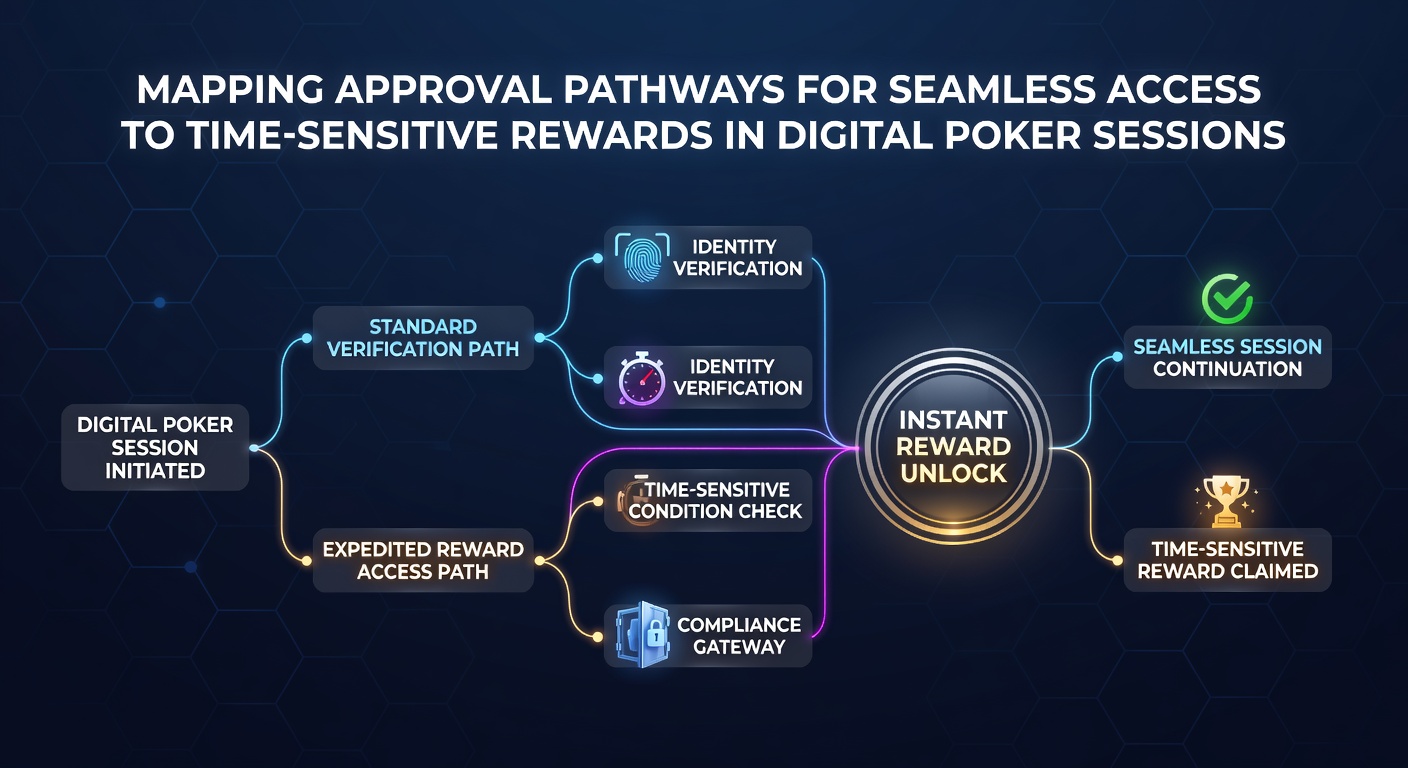
Each pathway consists of sequential verification layers that include identity confirmation, transaction validation, and reward eligibility assessment, while platforms coordinate these layers through centralized dashboards that track real-time status updates for both poker tournament entries and slot bonus triggers. Data from industry reports indicate that streamlined pathways can complete approvals in under thirty seconds when systems route requests through pre-approved banking partners and biometric checks. Observers note that successful mapping requires alignment between the timing of reward windows and the speed of each verification step, especially during peak evening hours when digital traffic spikes across multiple jurisdictions.
Application in Digital Poker Sessions
Poker platforms map approval pathways by linking deposit confirmations directly to tournament registration systems so that time-sensitive satellite entries or satellite ticket rewards activate automatically once funds clear, and this integration allows players to move from deposit to table seat without manual intervention. Researchers tracking online gaming patterns have documented cases where platforms reduced approval times by routing requests through dedicated API connections that bypass secondary manual reviews during standard operating periods. In June 2026 several operators updated their poker session interfaces to display live pathway status indicators that show each verification milestone as it completes, which helps participants anticipate when rewards will become available for upcoming sit-and-go events.
Processes for Slot Machine Rewards
Slot machine reward systems follow parallel yet distinct mapping strategies that prioritize progressive jackpot eligibility and time-limited free-spin bundles, and these strategies connect deposit approvals to reel-spin sessions through timestamped triggers that expire if not claimed within set intervals. Figures released by the Nevada Gaming Control Board show increased adoption of automated approval mapping in digital slot environments during the first half of 2026, with emphasis on reducing friction between player funding and bonus activation. Platforms achieve seamless access by pre-mapping common reward types to specific approval templates that activate based on deposit size, session frequency, and player history metrics stored in secure databases.
Mapping Techniques and Tools
Operators employ visual mapping tools and workflow diagrams to chart every node in the approval sequence, from initial transaction receipt through final reward credit, and these diagrams highlight potential bottlenecks where manual intervention might still occur. One documented approach involves color-coded pathway charts that differentiate between instant approvals for verified accounts and extended reviews required for new players or large transactions, while software platforms allow administrators to adjust timing thresholds in response to regulatory updates. Those who maintain these systems report that regular audits of mapped pathways help identify when external payment provider changes affect reward delivery speeds in both poker and slot environments.
Regulatory Context in June 2026
Regulatory bodies across multiple regions released updated guidance in June 2026 concerning the documentation of approval pathways for digital gaming rewards, and these guidelines require operators to maintain transparent records of each verification step to demonstrate compliance with time-sensitive reward distribution rules. The American Gaming Association compiled data showing that platforms with clearly mapped pathways experienced fewer compliance queries during that period compared with those still relying on ad-hoc approval processes. Coordination between operators and regulators has focused on standardizing the data fields used to track reward activation times, which supports consistent oversight across poker sessions and slot machine offerings in licensed markets.
Practical Implementation Examples
Take one mid-sized digital operator that redesigned its approval mapping after observing repeated delays in slot bonus deliveries during weekend tournaments, and the redesign introduced parallel processing lanes that separated poker-related verifications from slot reward activations to prevent queue buildup. Another case involved a platform that incorporated predictive analytics into its pathway mapping, allowing the system to pre-approve eligible players for upcoming time-sensitive events based on historical behavior patterns rather than waiting for each new deposit to trigger a full review cycle. These implementations demonstrate how detailed pathway documentation supports both operational efficiency and regulatory accountability without requiring constant manual oversight.
Conclusion
Mapping approval pathways continues to serve as a foundational practice for platforms seeking reliable delivery of time-sensitive rewards in digital poker and slot environments, and ongoing refinements in June 2026 reflect broader industry efforts to align technical processes with regulatory expectations. Clear documentation of each verification layer enables operators to maintain consistent access windows while adapting to changes in payment technologies and compliance requirements across different jurisdictions.