Integrating Electronic Wallet Features with Progressive Prize Mechanisms for Enhanced Mobile Participation
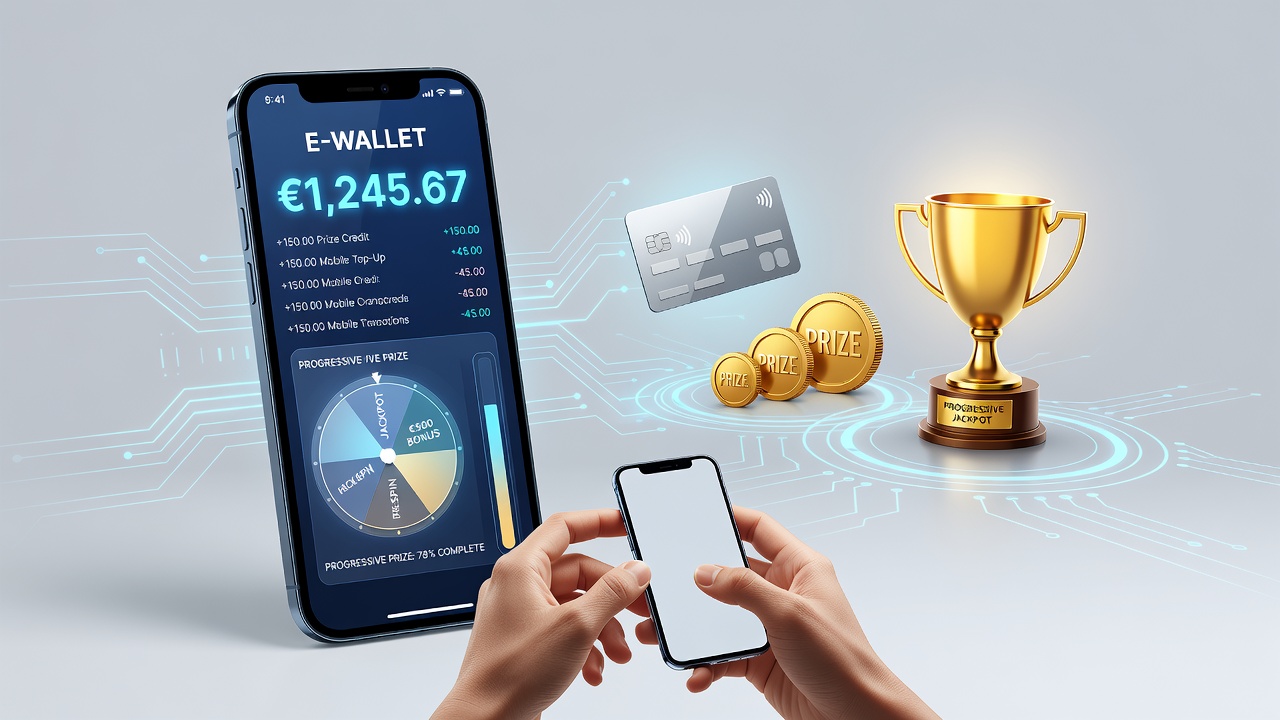
Electronic wallet features combined with progressive prize mechanisms create structured pathways for users to engage in mobile gaming environments where prize pools grow through accumulated contributions and seamless transaction processing. Research from industry reports indicates that these integrations allow real-time funding of entries into events where prizes escalate based on participation volume, and data from multiple markets shows increased session durations when users access funds without traditional banking delays.
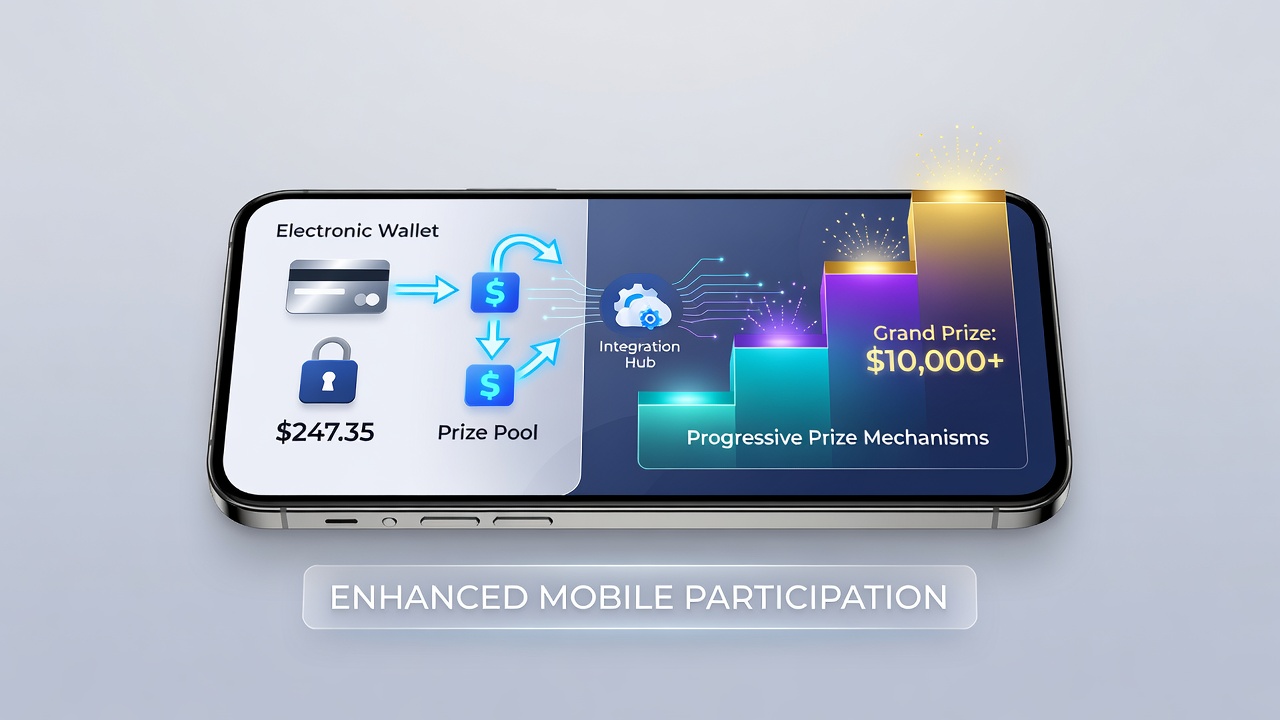
Progressive prize systems operate by pooling a percentage of each transaction or entry fee into a shared accumulator that resets or carries over depending on the game rules, and electronic wallets facilitate instant transfers that keep users connected to these growing pools. Observers note that platforms deploying this combination report higher retention rates, while figures from 2025 mobile gaming analyses reveal that transaction speeds under three seconds correlate with elevated entry frequencies into progressive events.
Technical Foundations of Wallet and Prize Integration
Application programming interfaces connect electronic wallet providers directly to gaming servers so that deposits trigger automatic allocations toward progressive accumulators, and developers implement secure tokenization to protect account details during these exchanges. Studies from academic institutions highlight that API latency reductions below 500 milliseconds improve the synchronization between wallet balances and visible prize growth meters on mobile screens.
Security protocols such as multi-factor authentication and end-to-end encryption protect the flow of funds into progressive mechanisms, whereas compliance layers verify user locations and age before prize contributions finalize. Those who've examined platform architectures find that modular wallet plugins allow operators to toggle between different payment rails without disrupting the progressive prize calculation engines.
Mobile Participation Patterns in June 2026
Data collected through June 2026 indicates that mobile devices account for over 70 percent of entries into progressive prize events across regulated markets, and electronic wallet usage within those entries exceeds 65 percent according to aggregated operator disclosures. Users complete deposits during commutes or breaks, which sustains continuous contributions to prize pools that would otherwise stall during banking hours.
Platforms that embed wallet shortcuts within game interfaces report faster progression through prize tiers, while separate analyses from Canadian regulatory bodies show that streamlined funding correlates with broader demographic participation including younger adults who prefer digital payment methods. What's interesting is how these patterns hold across different prize structures, from slot accumulators to tournament overlays.
Regulatory and Compliance Considerations Across Regions
European regulatory frameworks require transparent reporting of progressive prize contributions and wallet transaction logs, and operators must maintain audit trails that separate prize funding from operational revenue. Australian oversight agencies similarly mandate clear disclosure of how electronic wallet deposits feed into accumulators, which ensures participants understand the mechanics behind growing rewards.
North American state-level commissions examine these integrations for responsible gaming features such as deposit limits that apply uniformly across wallet and prize systems. Researchers at several universities have documented that clear regulatory alignment reduces compliance incidents while supporting continued innovation in mobile prize delivery.
Case Examples from Operational Platforms
One European operator integrated a major electronic wallet service with its progressive slot network in early 2026, resulting in documented increases in daily active users according to internal performance summaries shared with industry groups. Another platform in the Asia-Pacific region linked wallet-based tournament entries to live prize meters, and participation logs revealed sustained activity spikes during regional peak hours.
These implementations rely on standardized messaging protocols that update prize totals within seconds of each wallet transaction, and subsequent audits confirmed accurate allocation percentages across thousands of entries. Observers note that similar approaches appear in emerging markets where mobile penetration outpaces traditional banking infrastructure.
Future Technical Developments
Upcoming updates to wallet standards include support for programmable payments that automatically allocate portions of deposits to specific progressive pools, and early tests conducted by research consortia demonstrate reduced user friction during multi-event sessions. Integration with biometric authentication on mobile devices further secures these flows while maintaining compliance with data protection statutes.
Industry associations continue to publish interoperability guidelines that help smaller developers adopt these combined systems without extensive custom engineering. Figures released in mid-2026 project continued expansion of such features into additional game categories beyond traditional slots and table formats.
Conclusion
Electronic wallet integration with progressive prize mechanisms supplies measurable pathways for sustained mobile engagement through rapid, secure funding and visible reward growth. Evidence from regulatory reports, platform data, and academic reviews establishes that these systems function effectively when technical, security, and compliance elements align. Continued adoption through June 2026 and beyond depends on ongoing refinements that preserve both operational efficiency and participant protections across varied jurisdictions.