Harmonizing funding sequences with live interaction windows for enhanced tournament access in virtual casino settings
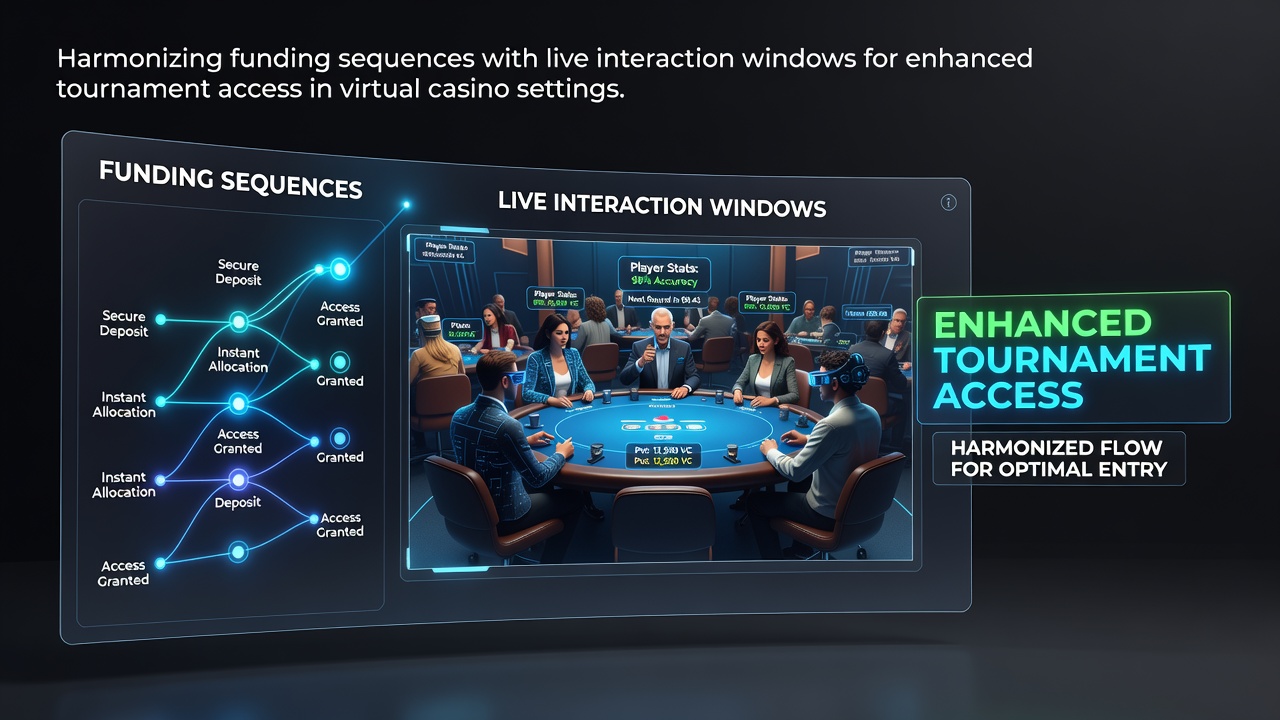
Virtual casino platforms have developed systems that align deposit processing timelines with tournament registration periods, allowing participants to complete funding steps during active entry windows for live dealer events and slot competitions. Observers note that these sequences rely on automated verification tools and pre-approved payment channels to reduce delays between transaction initiation and tournament access.
Core Elements of Funding Alignment
Payment sequences in digital gaming environments involve multiple stages including account verification, fund transfer authorization, and confirmation notifications, while live interaction windows refer to specific time blocks when tournaments accept entries and feature real-time dealer interactions or progressive reel updates. Data from industry reports indicate that operators integrate these elements through API connections between banking processors and tournament servers, which enables users to fund accounts without exiting the active session interface.
Researchers have documented how instant transfer methods such as e-wallets and bank-linked apps synchronize with server clocks to match funding completion against registration cutoffs. In June 2026, several platforms reported expanded use of these integrations across mobile and desktop formats, reflecting broader adoption patterns in regulated markets.
Regional Implementation Patterns
North American operators have incorporated compliance checks from bodies like the Nevada Gaming Control Board into their sequencing protocols, ensuring that each deposit aligns with jurisdictional rules before granting tournament entry. European platforms follow similar structures under frameworks established by national authorities, where transaction logs feed directly into live event management systems.
Australian providers utilize data from the Australian Gambling Research Centre to refine timing parameters, allowing sequences to account for peak participation hours in both poker-style table events and reel-based competitions. These approaches demonstrate how localized regulations influence the technical mapping of funding steps to live windows without altering core game mechanics.
Technology Supporting Synchronization
Platform developers employ middleware that tracks approval pathways in real time, routing successful transactions to tournament dashboards within seconds of confirmation. This setup supports features such as queued deposits that activate automatically when a live window opens, reducing manual intervention by users.
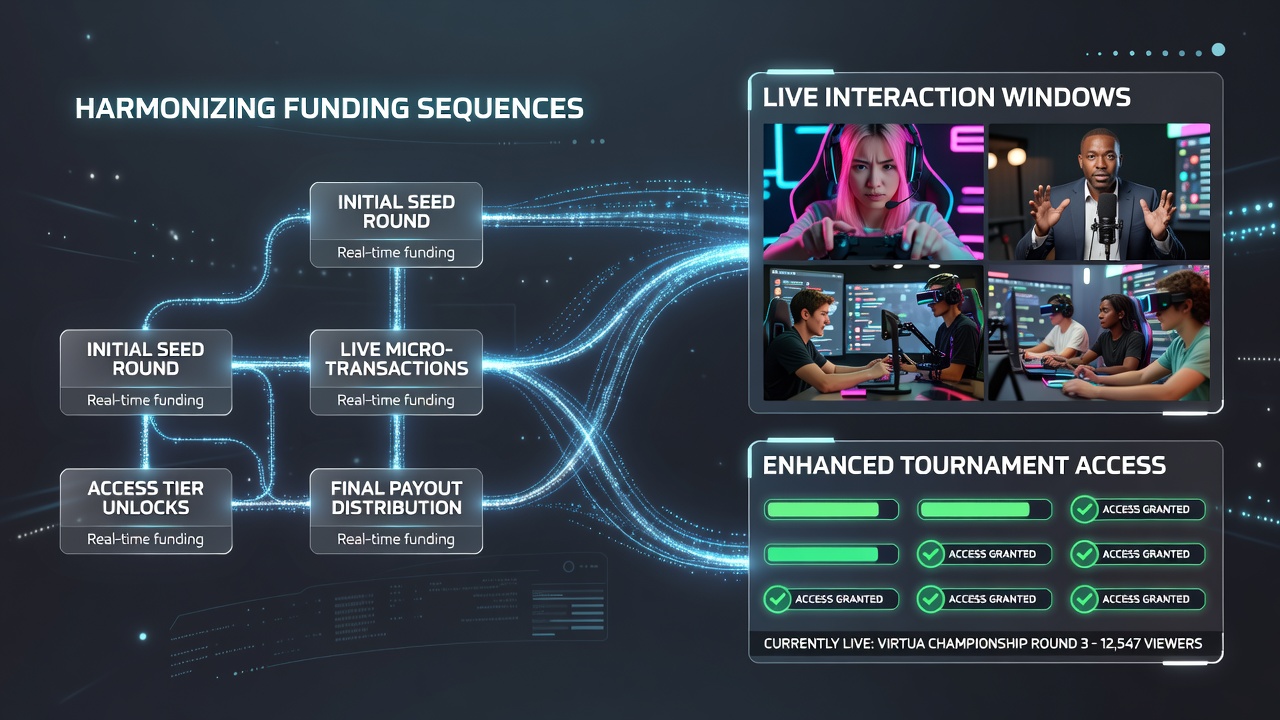
According to findings published by the American Gaming Association, such middleware solutions have contributed to measurable increases in completed entries during time-sensitive events. Observers point to encryption standards and multi-factor authentication as key components that maintain security while preserving speed across funding sequences.
Operational Benefits in Practice
Operators have recorded higher participation rates when funding options appear directly within tournament lobbies, with automated reminders triggering at set intervals before window closures. Case examples from integrated platforms show that players using synchronized methods complete entries during brief live segments, such as dealer shuffles or bonus round activations, without interruption.
Industry analyses reveal that these alignments also support prize pool growth by sustaining continuous entry flow throughout scheduled sessions. Platforms track metrics including average funding-to-entry time, which data shows has shortened in environments where sequences are pre-mapped to live timelines.
Future Directions and Adjustments
Developments in 2026 have included testing of predictive algorithms that anticipate user funding needs based on historical patterns and upcoming live windows. These tools adjust display priorities for payment methods according to regional preferences and regulatory constraints.
Additional refinements involve cross-platform compatibility updates, ensuring that sequences function consistently across device types during extended tournament series. Entities such as the Responsible Gambling Council have contributed guidelines that inform how these adjustments maintain transparency in transaction handling.
Conclusion
Harmonizing funding sequences with live interaction windows continues to shape access mechanisms in virtual casino tournaments through technical integrations and regulatory adaptations. Platforms maintain these alignments via ongoing system updates that respond to participation data and compliance requirements across jurisdictions. The result supports consistent entry processes for live dealer and slot events while preserving operational standards observed in June 2026 and beyond.