Decoding Linkages Among Incentive Programs and Real-Time Interactions in Handheld Poker and Reel Activities
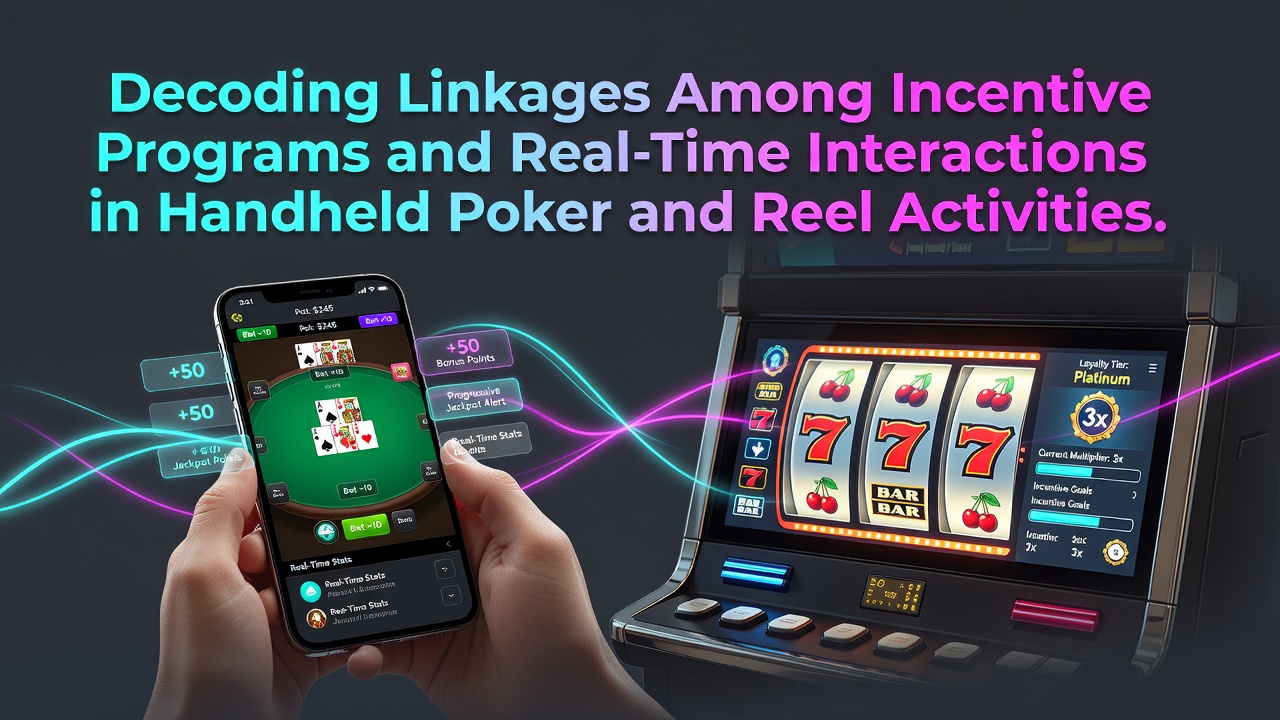
Handheld poker sessions and reel activities have evolved through integrated systems that connect incentive programs directly to live player actions, creating pathways where rewards activate based on immediate gameplay data streams. Observers note that these connections rely on backend platforms capable of processing transactions and behavioral metrics within seconds, allowing bonuses to appear during ongoing rounds rather than after sessions conclude. Research from the American Gaming Association indicates that mobile platforms in regulated markets now handle over 60 percent of total wagers in certain jurisdictions, with incentive layers adjusting in response to session length and bet frequency.
Core Components of Incentive Structures
Incentive programs in these environments typically include tiered loyalty points, deposit-matched rewards, and dynamic multipliers that scale according to real-time participation levels. Data from the Nevada Gaming Control Board shows that operators track metrics such as hands played per minute in poker applications alongside spin sequences in reel games, then apply credits or free rounds without requiring players to exit the interface. Those who have examined platform architectures find that these systems use API connections to synchronize user accounts across devices, ensuring that a bonus earned during a live table game carries over to a subsequent reel session within the same minute.
What's notable is the shift toward conditional triggers, where completing a specific sequence of actions unlocks layered rewards. For instance, maintaining a streak of consecutive wins in handheld poker can generate instant reel free spins, while progressive jackpots in slot activities feed back into poker entry credits. Figures released in early 2026 reveal that such cross-activity linkages increased average session duration by measurable margins in several North American markets.
Mechanics of Real-Time Interactions
Real-time interactions function through continuous data feeds that update game states, chat functions, and promotional overlays simultaneously. In poker applications this manifests as live opponent statistics refreshed every few seconds alongside pot odds calculators, while reel activities display near-miss animations and multiplier builds that respond to the current wager pattern. Experts have observed that these elements depend on low-latency servers positioned near player clusters, reducing delays that once separated incentive delivery from active play.
Platforms now embed notification systems that alert users to available rewards without interrupting the hand or spin sequence. A player raising during a mobile poker round might receive an overlay showing an accumulated loyalty boost, calculated from the exact bet size and timing. Similar mechanics apply to reel games where consecutive high-value symbol alignments trigger escalating incentives visible on screen. Studies conducted by the University of Nevada, Las Vegas gaming research division have documented how these instantaneous updates influence continuation rates across both game types.
Interconnections Between Incentives and Live Play
The linkages become evident when examining how real-time data informs incentive allocation algorithms. Operators compile streams from handheld sessions to determine eligibility for time-sensitive promotions, such as doubled points during peak hours or entry tickets to larger tournaments. According to reports issued in June 2026 by the Alcohol and Gaming Commission of Ontario, synchronized systems reduced the average time between reward qualification and redemption to under 90 seconds across participating mobile titles.
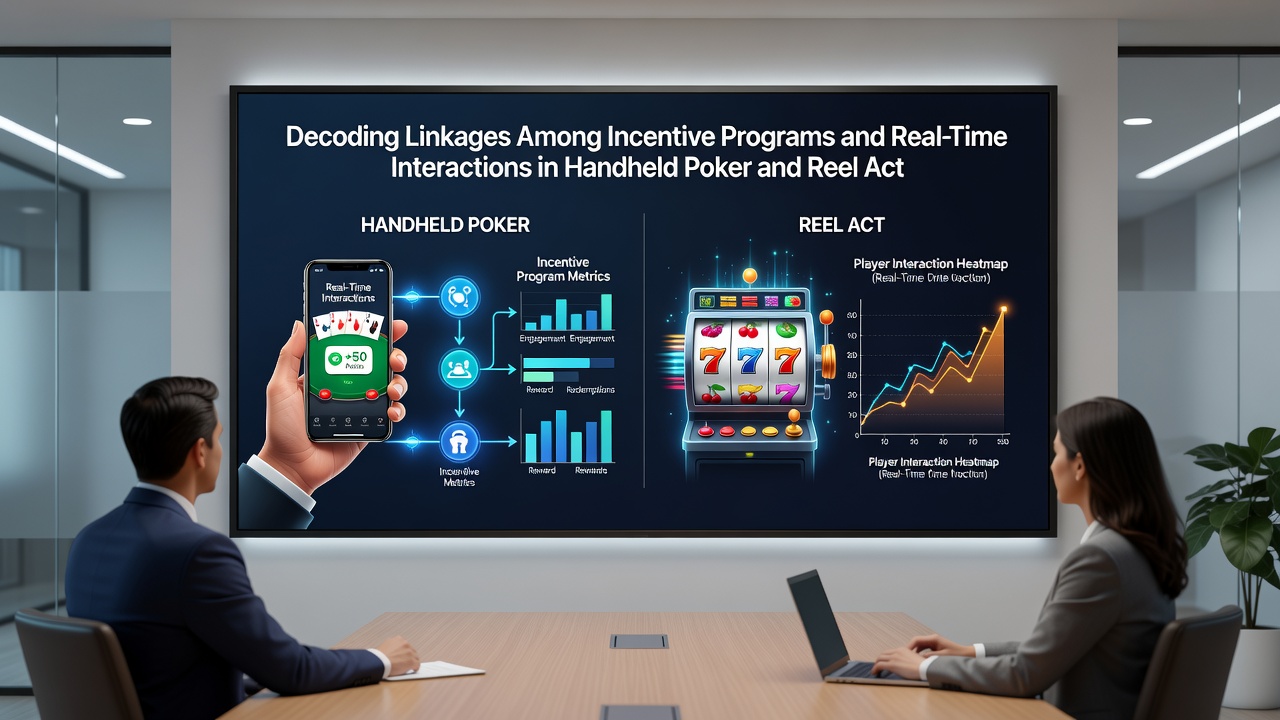
One documented pattern involves reel activities feeding data into poker incentive pools. High-frequency spin patterns can accumulate points that convert directly into tournament buy-ins, with the conversion rate updating based on the player's current session momentum. Conversely, strong poker performance metrics sometimes unlock reel-based progressive contributions. Those who have analyzed transaction logs note that these bidirectional flows rely on unified player profiles rather than separate tracking modules for each activity.
Geographic variations appear in how regulators oversee these connections. Markets in Australia require clear disclosure of linkage mechanics within app interfaces, whereas certain Canadian provinces emphasize audit trails for every reward triggered during live play. The result remains consistent across regions: incentive programs operate as extensions of the gameplay loop instead of separate post-session features.
Operational Patterns Observed in 2026
Throughout the first half of 2026, platform updates focused on tightening the interval between action and reward presentation. June data releases highlighted increased adoption of edge-computing nodes that process local gameplay signals before routing them to central incentive engines. This approach supports more granular linkages, such as awarding micro-bonuses after every tenth reel spin when paired with concurrent poker table participation on the same account.
Observers note that these refinements have produced measurable effects on player retention metrics without altering core game mathematics. Transaction mapping tools now allow operators to visualize how specific incentive types correlate with peak interaction windows, enabling adjustments that align reward availability with documented usage peaks. Research indicates that such alignment occurs through automated rulesets rather than manual oversight.
Conclusion
Linkages among incentive programs and real-time interactions in handheld poker and reel activities rest on integrated data architectures that translate immediate gameplay events into applicable rewards. Evidence from regulatory bodies and academic sources demonstrates that these systems continue to evolve through server optimizations and cross-activity tracking protocols. As platforms maintain focus on synchronization speed and transparency requirements, the operational framework supporting these connections remains subject to ongoing refinement across multiple jurisdictions.