Deciphering Velocity Patterns of Resource Flows in Cross-Platform Digital Competitions Involving Cards and Reels
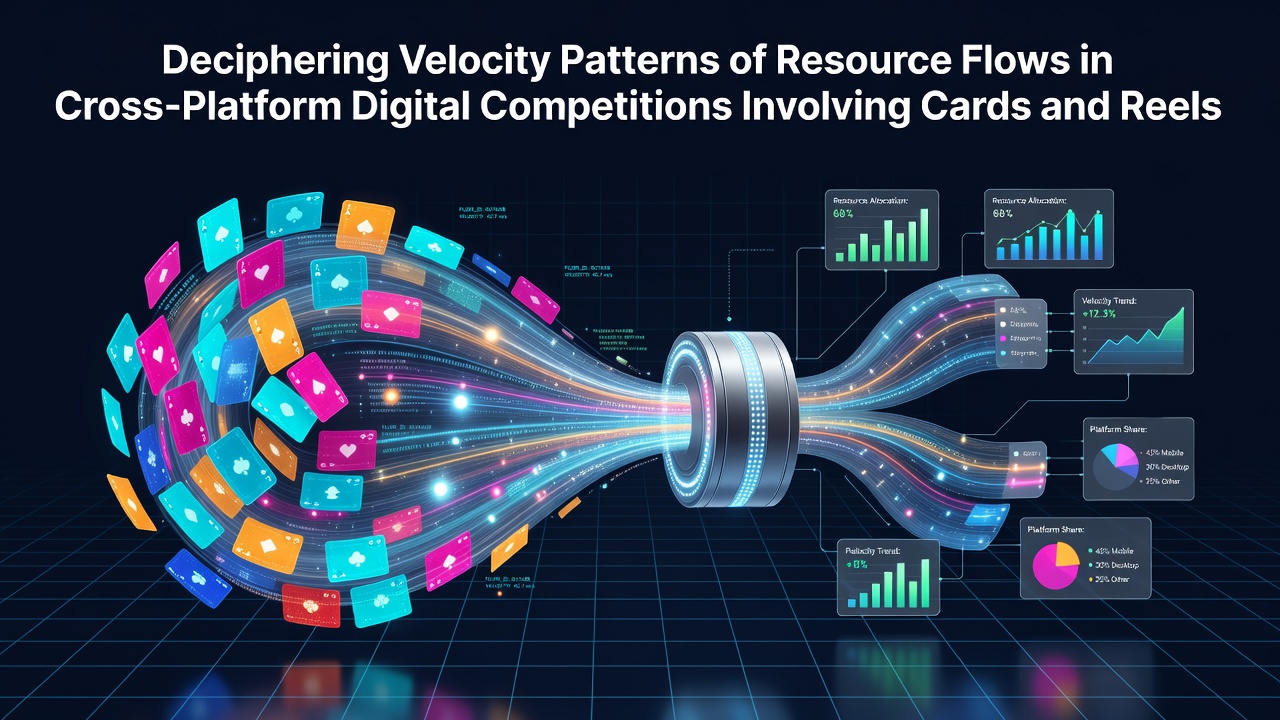
Resource flows in digital competitions track the movement of funds through betting systems, prize pools, and player accounts, and velocity patterns measure the speed and direction of these transfers across multiple platforms. Observers note that card-based events like poker tournaments generate distinct rhythms compared to reel competitions, where slot machines create rapid cycles of small deposits and withdrawals. Data from regulatory bodies shows these patterns influence platform stability and player engagement levels during peak periods.
Core Elements of Velocity Analysis
Velocity analysis breaks down transaction timing, volume spikes, and cross-border transfers, while researchers apply statistical models to map how resources accelerate during live events. Studies indicate that funds in card competitions often cluster around entry deadlines and final table stages, whereas reel-based activities produce steadier streams tied to spin frequencies. Experts at institutions such as the University of Nevada, Las Vegas have documented these differences through transaction logs collected over multiple quarters.
Platforms integrate APIs to monitor real-time movements, and this allows operators to adjust liquidity reserves before surges occur. Figures from the Nevada Gaming Control Board reveal average processing times dropped below three seconds for internal transfers in monitored digital sessions during early 2026. Such metrics help distinguish normal competition flows from irregular patterns that warrant further review.
Cross-Platform Interactions in July 2026
July 2026 brought expanded integrations between mobile and desktop environments, where players shifted resources seamlessly between card tables and reel interfaces. Reports show these migrations created layered velocity signatures, with initial deposits on one device accelerating into larger bets on another within minutes. Analysts track these sequences to predict pool growth and potential bottlenecks in prize distribution systems.
Card Competition Dynamics
Card sessions generate velocity clusters around blind increases and elimination phases, and data indicates that successful players often maintain consistent inflow rates through strategic rebuys. Cross-platform play adds complexity because resources must clear verification layers when moving from mobile apps to browser-based tables. Research compiled by the Australian Institute of Criminology highlights how these transitions affect overall flow speeds in multi-jurisdiction events.
Reel-Based Flow Characteristics
Reel competitions produce higher frequency micro-transactions that accumulate into substantial volumes during progressive jackpot triggers, and patterns emerge when players chase bonus rounds across connected platforms. Observers document that velocity tends to spike immediately after feature activations, with resources cycling back into new spins at rates exceeding those seen in card formats. Regulatory filings from the New Jersey Division of Gaming Enforcement confirm these reel-specific accelerations remained stable through mid-2026 despite platform expansions.
Operators deploy machine learning tools to forecast these reel cycles, and the models incorporate historical velocity data to optimize server capacity during high-traffic windows. Evidence suggests that synchronized events across card and reel offerings create hybrid flows where winnings from one format fund entries in the other within the same session.
Measurement Techniques and Data Sources
Analysts rely on timestamped ledger entries and graph-based visualizations to decode velocity patterns, while comparative studies examine differences between single-platform and multi-platform environments. Academic papers from the University of Sydney examine how latency variations across regions alter perceived flow speeds for participants. These methods allow identification of optimal windows for resource allocation without disrupting competition integrity.
July 2026 datasets further illustrated seasonal adjustments in flow velocities, particularly when holiday schedules overlapped with major tournament calendars. Patterns recorded during that period showed increased cross-format transfers as players balanced card entries with reel participation on unified accounts.
Conclusion
Deciphering velocity patterns requires continuous monitoring of transaction timestamps, platform transitions, and format-specific cycles, and the resulting insights support smoother operations across digital competitions. Data collected through 2026 demonstrates measurable distinctions between card and reel resource movements that inform both technical infrastructure and regulatory oversight. Continued analysis of these flows provides clearer pictures of how digital environments manage resource movement at scale.