Coordinating Layered Incentive Structures with Instant Transaction Flows to Expand Access in Handheld Live Dealer Competitions and Progressive Reel Events
Leon Butler · Aug 16, 2026
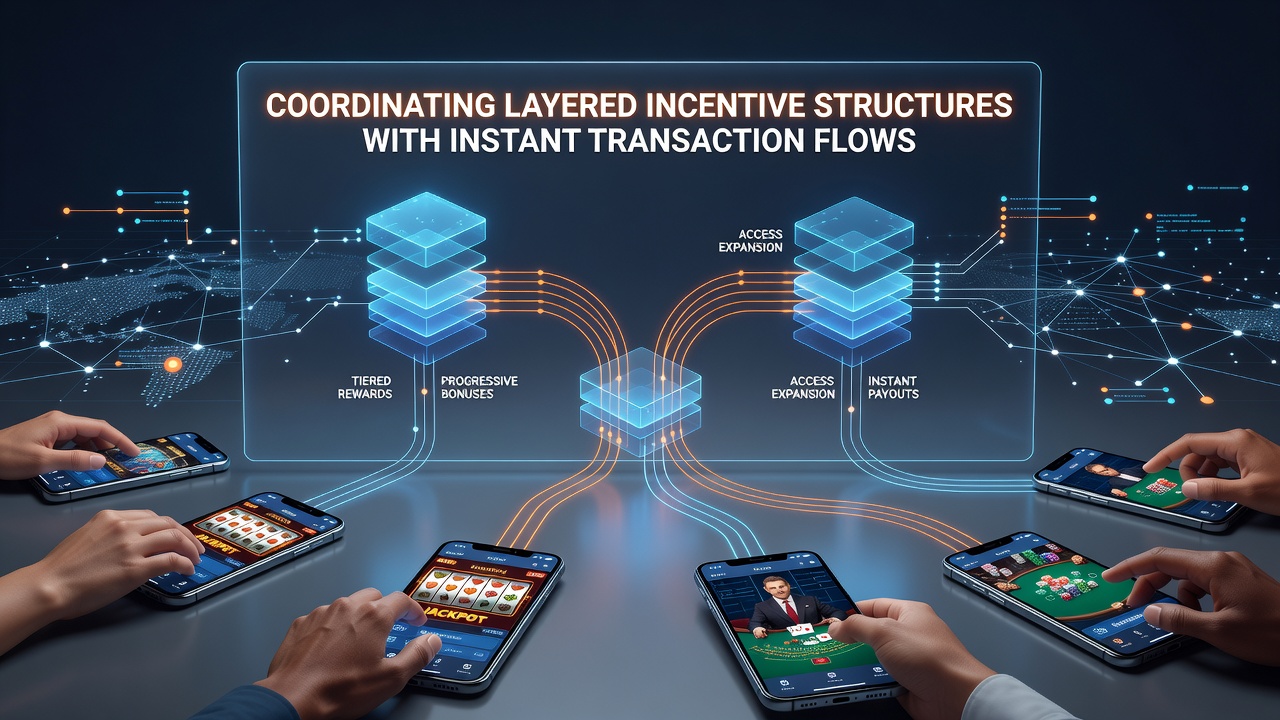
Coordinating Layered Incentive Structures with Instant Transaction Flows to Expand Access in Handheld Live Dealer Competitions and Progressive Reel Events
Coordinating layered incentive structures with instant transaction flows has become a central mechanism for broadening participation in handheld live dealer competitions and progressive reel events, according to industry reports tracking mobile gaming platforms through August 2026. Data from multiple operators shows that synchronized reward tiers and rapid payment processing reduce entry barriers for users accessing table games and slot progressives on smartphones and tablets. Researchers tracking participation metrics note that these systems often combine deposit bonuses, loyalty multipliers, and time-limited tournament entries with seamless funding options that complete in seconds rather than minutes.
Mechanics of Layered Incentives in Mobile Environments
Layered incentive structures typically operate through sequential reward stages where initial deposits unlock base bonuses, while subsequent activity triggers additional multipliers or entry credits for live dealer events and progressive reel competitions. Observers note that these layers frequently align with competition timelines, allowing participants to apply incentives directly to buy-ins or spin commitments without delays. Transaction flows integrate with these layers by processing approvals in real time, which connects funding actions to reward activation points and expands the window for users to join events that reset periodically throughout the day.
Studies from gaming analytics firms indicate that platforms coordinating these elements report higher completion rates for multi-stage promotions compared to systems where incentives and payments remain separate. One example involves progressive reel events where instant deposit confirmations immediately apply bonus spins toward jackpot contributions, while live dealer competitions use the same flow to credit tournament seats upon successful verification. This coordination relies on backend systems that map user accounts across incentive databases and payment gateways, ensuring that each transaction updates reward eligibility without manual intervention.
Transaction Integration and Participation Growth
Instant transaction flows support expanded access by minimizing the time between a user's decision to join and actual entry into handheld competitions. Figures from regional monitoring bodies reveal that in markets with high mobile adoption, platforms offering coordinated systems saw participation increases of 18 to 25 percent in live dealer formats during the first half of 2026. These flows often incorporate multiple payment rails such as digital wallets, bank transfers, and card networks, each calibrated to complete within defined windows that match event schedules.
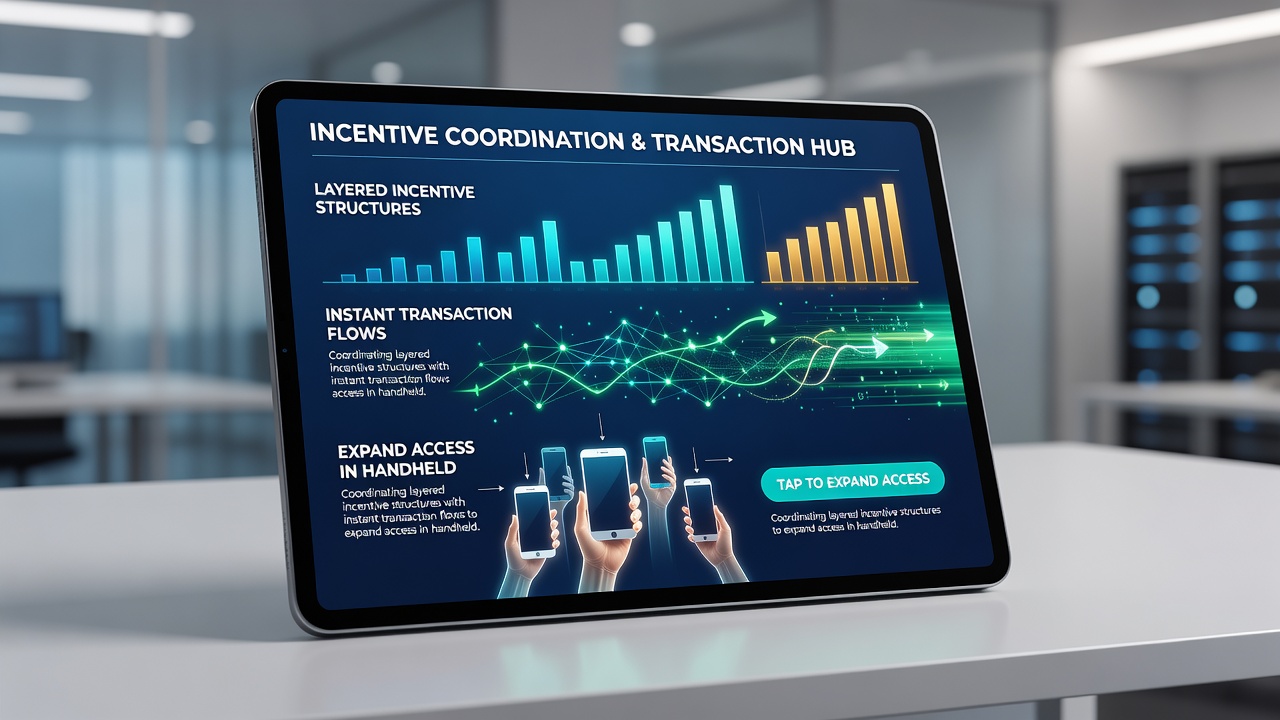
What's notable is how these integrations affect progressive reel events specifically, where jackpot pools grow through continuous contributions that instant transactions accelerate. Data indicates that users who encounter no friction between depositing and applying layered rewards contribute more frequently to shared prize pools. Experts tracking handheld usage patterns have observed that alignment of approval pathways with competition start times reduces drop-off rates, particularly during peak evening hours when multiple events overlap.
Regulatory and Operational Frameworks
Regulatory frameworks in various jurisdictions require that incentive structures and transaction systems maintain clear audit trails while supporting rapid processing. The Nevada Gaming Control Board publishes guidelines on responsible integration of bonuses with payment methods, emphasizing transparency in how layered rewards convert across game types. Similarly, the Malta Gaming Authority oversees cross-border platforms that synchronize incentives with instant flows for live dealer and reel competitions, requiring operators to demonstrate that access mechanisms do not create undue barriers for eligible participants.
Operational teams at large operators coordinate these elements through unified dashboards that monitor both reward redemption and transaction success rates in parallel. Research from academic institutions studying digital gambling ecosystems, including reports issued by the University of Nevada's gaming research center, shows that platforms achieving tight synchronization between incentives and payments record steadier user retention across mobile sessions. These findings cover data collected through mid-2026 and highlight patterns where instant flows enable broader entry into time-sensitive events without requiring users to navigate separate interfaces.
Future Coordination Patterns
Patterns emerging in August 2026 suggest continued refinement of coordination protocols as operators test new combinations of reward layers with emerging payment technologies. Industry associations such as the European Gaming and Betting Association compile comparative data showing that regions with mature instant transaction infrastructure achieve wider distribution of progressive reel contributions and live dealer tournament entries. This data supports ongoing development of mapping strategies that link specific incentive tiers to defined transaction types, ensuring consistent access across handheld devices regardless of location or connection speed.
Conclusion
Coordination of layered incentive structures with instant transaction flows continues to shape access mechanisms in handheld live dealer competitions and progressive reel events. Evidence from regulatory reports, operator metrics, and research studies demonstrates that synchronized systems expand participation windows while maintaining compliance across jurisdictions. As platforms refine these alignments, the focus remains on factual integration methods that connect rewards directly to transaction outcomes without introducing additional complexity for users.