Charting Reward Layering Techniques Across Virtual Dealer Events and Reel Competitions
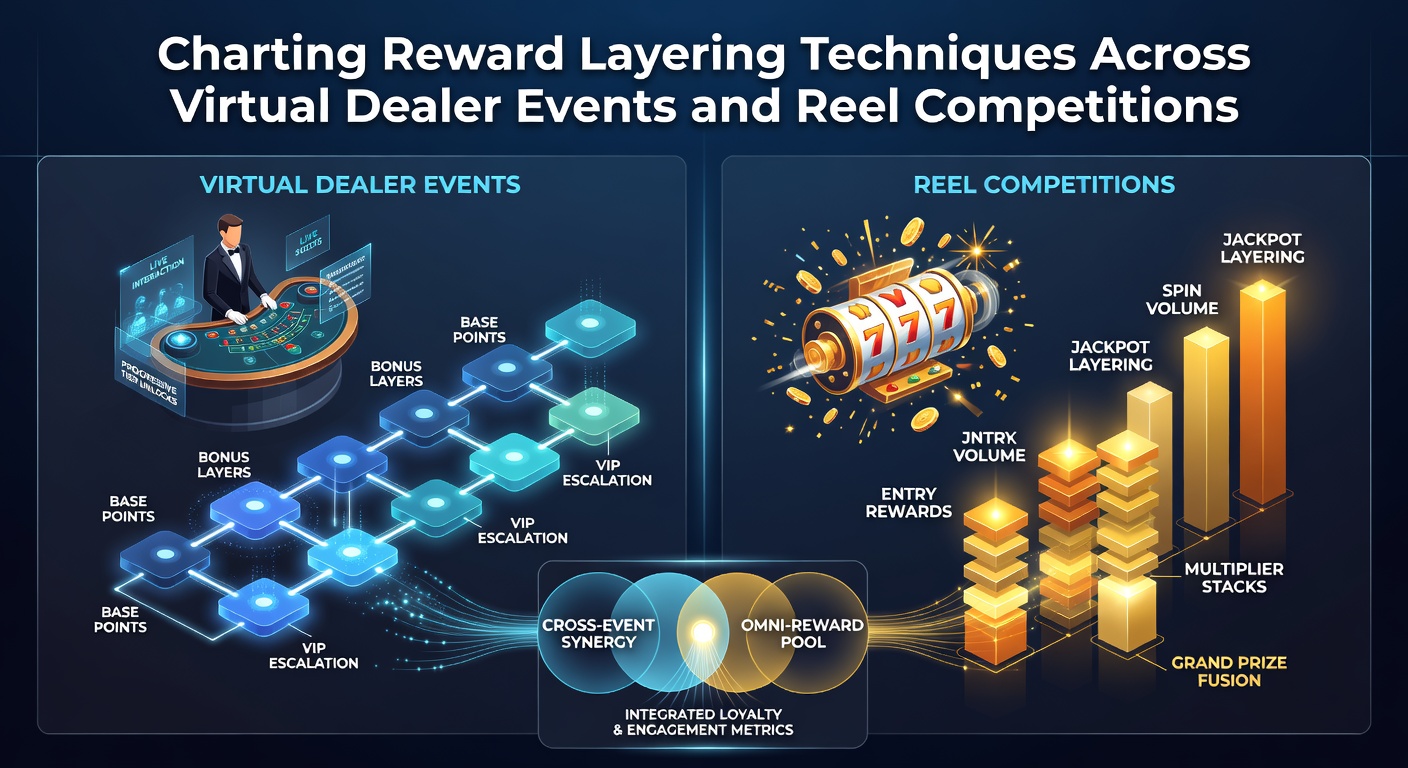
Virtual dealer events combine live-streamed table games with digital interfaces while reel competitions focus on timed slot tournaments where participants chase cumulative spin totals. Reward layering stacks multiple incentive types such as loyalty multipliers, entry credits, and cashback tiers so that achievements in one format feed directly into the other, and platforms track these interactions through centralized player accounts that update in real time. Data from May 2026 showed participation rates climbing as operators synchronized these systems across mobile and desktop channels, allowing points earned during a virtual blackjack session to unlock additional reel entries without separate deposits.
Core Components of Reward Layering
Layering begins with base accumulation where every wager in a virtual dealer game contributes to a shared progress meter, and that meter then converts into tournament tokens for reel events. Secondary layers add conditional bonuses triggered by specific outcomes, for instance a dealer bust in live roulette activates an instant multiplier that applies to upcoming slot spins in a separate competition bracket. Tertiary layers incorporate time-based elements such as daily login streaks that compound when players alternate between formats, creating a chain where sustained activity across both event types generates escalating payout percentages.
Implementation in Virtual Dealer Environments
Operators integrate APIs that pull live game data into loyalty engines, so a sequence of wins at a virtual poker table automatically registers as qualifying activity for reel leaderboards. Players receive tiered status upgrades when they hit volume thresholds, and these upgrades unlock exclusive tournament access or enhanced reel multipliers that persist across sessions. According to figures released by the Nevada Gaming Control Board, synchronized tracking systems recorded a 14 percent rise in cross-format engagement during the first quarter of 2026, driven largely by layered reward mechanics that reward consistent movement between dealer tables and reel lobbies.
Mechanics Within Reel Competitions
Reel events award points based on spin volume and win frequency, yet layering extends these rewards by feeding dealer-event achievements into the same scoring algorithm. A player who completes a set number of virtual baccarat hands might receive a reel boost that doubles the value of every spin during a limited-time tournament window. Progressive jackpots within reel competitions often incorporate carry-over elements from dealer sessions, where unused dealer bonuses convert into additional jackpot contributions, and this conversion happens automatically through account-linked ledgers that prevent manual transfers.
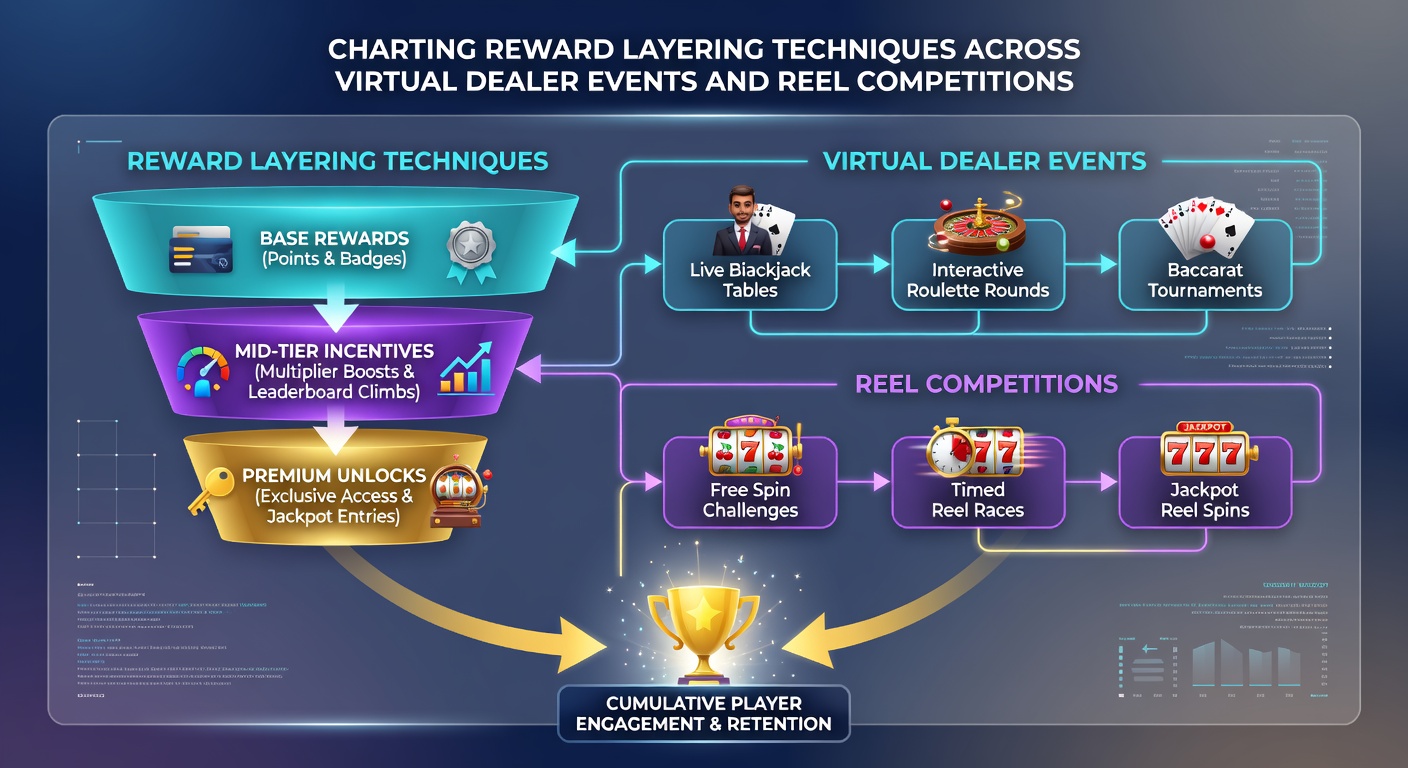
Platform analytics reveal that users who engage both formats within a single login period accumulate rewards 22 percent faster than those who focus on one category alone, and May 2026 telemetry confirmed this pattern held across multiple operator networks. Layering also introduces risk-mitigation tools such as loss rebates that activate only after combined play volume reaches preset thresholds, blending dealer and reel activity into a unified calculation.
Technical Infrastructure Supporting Layered Rewards
Backend systems rely on real-time data pipelines that merge transaction logs from dealer software with spin records from reel engines, and these pipelines feed a central rules engine that applies conditional logic to determine final reward values. Encryption protocols protect player data while permitting seamless point transfers, and regulatory frameworks in multiple jurisdictions require audit trails that log every layer activation. Research compiled by the Responsible Gambling Council of Canada documented how transparent layering interfaces reduce player confusion by displaying projected rewards before each event transition, thereby supporting informed participation decisions.
Observed Patterns Across Platforms
Industry reports indicate that layering frequency peaks during promotional windows when operators align dealer tournaments with reel leaderboards, and participants who navigate these alignments report higher session durations. Automated notifications alert users when a dealer achievement unlocks a reel advantage, shortening the time between reward triggers. Observers note that smaller operators replicate these systems through third-party providers, allowing consistent layering mechanics even on regional platforms that lack proprietary development resources.
Conclusion
Reward layering across virtual dealer events and reel competitions operates through interconnected tracking systems that convert activity in one format into advantages in the other, and May 2026 data confirmed continued expansion of these mechanics. Technical integration, regulatory oversight, and player-interface design each contribute to the smooth execution of layered incentives, resulting in measurable increases in cross-format engagement documented by multiple oversight bodies.