Aligning Instant Banking Solutions with Live Event Schedules to Enhance Accessibility in Digital Table Competitions and Automated Prize Draws
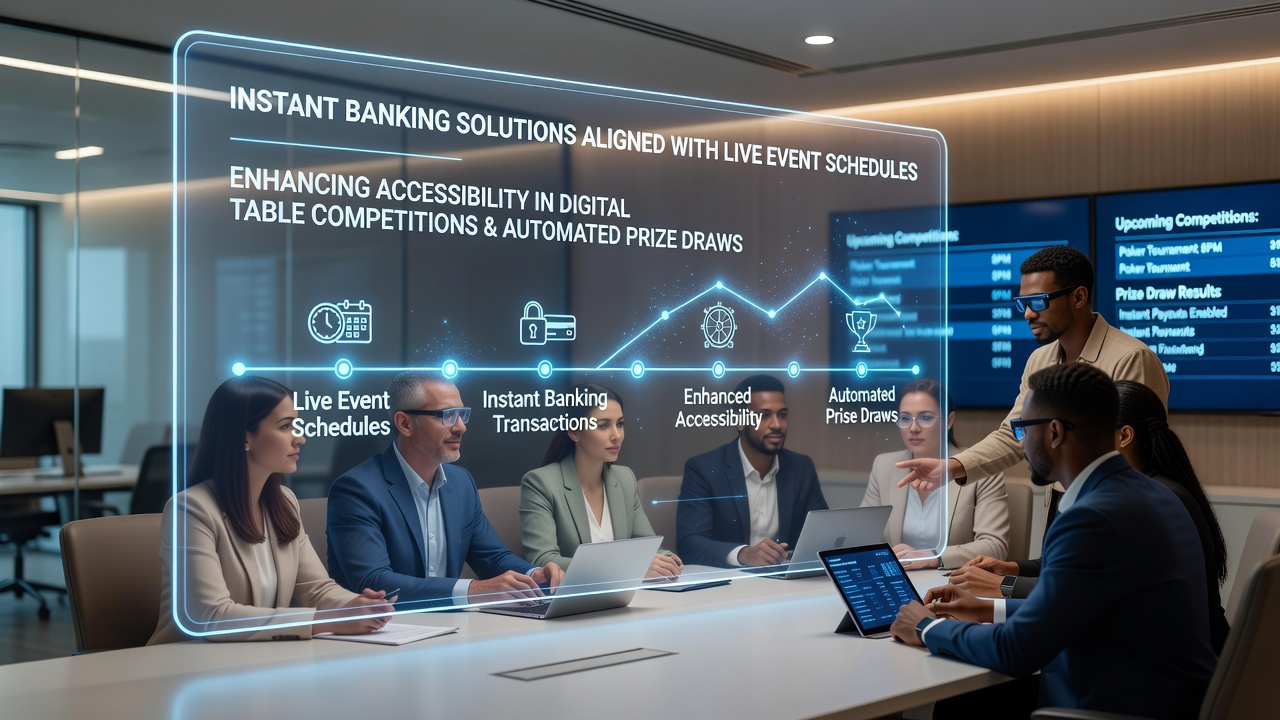
Digital table competitions and automated prize draws operate on tight timelines that demand precise coordination between funding mechanisms and event calendars, and observers note how instant banking solutions fit into these frameworks by enabling deposits and withdrawals that match start times and payout windows. Research from industry monitoring groups shows platforms integrating real-time payment rails with schedule data achieve higher participation rates during peak periods such as June 2026 tournament clusters, when multiple overlapping events create narrow entry opportunities.
Timing Mechanisms in Digital Competitions
Live dealer tables and slot-based draws follow fixed schedules published days or weeks ahead, which means players must complete funding steps before registration closes or rounds begin. Data from transaction analytics platforms indicates that systems linking banking APIs directly to event calendars reduce failed entry attempts by aligning approval windows with those deadlines, and this linkage proves especially useful when competitions span multiple time zones.
Operators embed schedule feeds into banking dashboards so users see countdown timers next to available deposit options, and studies tracking user behavior reveal that visible synchronization cuts last-minute transaction spikes that previously overloaded processing queues. Automated prize draws add another layer because winners receive notifications tied to draw completion times, requiring withdrawal paths that activate without delay once results post.
Integration Approaches Across Platforms
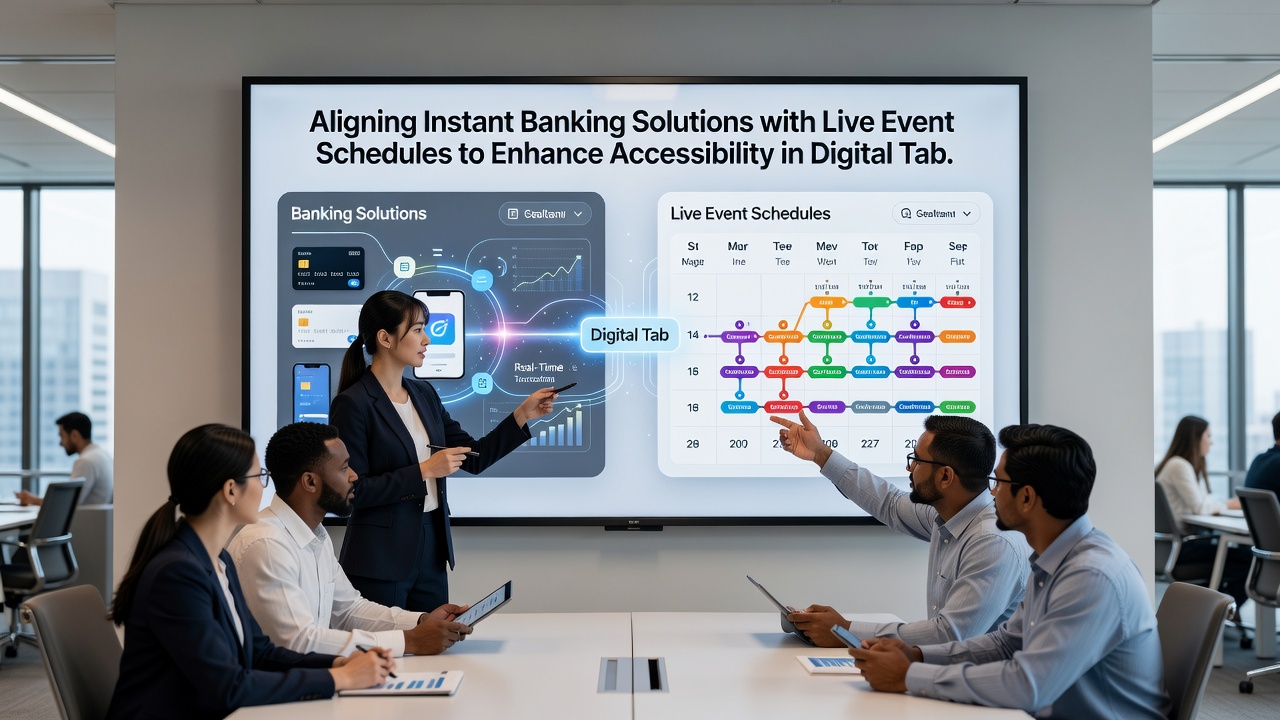
Payment providers build connectors that pull live event data from competition servers and push it into user banking interfaces, creating a unified view where available balance updates appear alongside upcoming table sessions. Figures released by European gaming technology consortia demonstrate that such integrations support seamless top-ups during brief intermissions between tournament phases, maintaining continuous access without forcing players to exit active sessions.
Security protocols remain consistent because instant rails employ token-based authentication that verifies identity once per session, allowing repeated small transfers aligned with schedule changes announced mid-event. In June 2026 several major platforms rolled out enhanced versions of these connectors ahead of summer series expansions, resulting in measurable upticks in completed entries according to internal operational reports.
Accessibility Improvements for Broader Participation
Players in regions with varying banking hours benefit when instant solutions bypass traditional cutoffs and match event openings that occur outside standard business windows. Regulatory summaries from gaming authorities in North America and Asia-Pacific jurisdictions record increased engagement metrics after operators introduced schedule-synced funding tools, particularly among users who previously missed draws due to processing lags.
Automated prize systems further extend reach by triggering instant credit notifications that users can immediately route into new entries or cash-outs, and longitudinal data collected by research firms shows this cycle supports repeated participation across consecutive daily or weekly competitions. Accessibility extends to device compatibility as well, with mobile-optimized interfaces presenting schedule overlays that update dynamically as banking confirmations arrive.
Operational Considerations for Operators
Platform teams coordinate with banking partners to map transaction velocity against historical event traffic patterns, ensuring capacity scales during concentrated June periods when prize pools swell and draw frequency rises. Compliance frameworks require audit trails that timestamp each funding action relative to schedule milestones, satisfying oversight requirements while preserving speed.
Testing protocols simulate schedule shifts such as delayed starts or extended draw windows to verify that instant rails adjust without manual intervention, and results from these simulations feed into iterative refinements reported at industry forums. Resource allocation improves because predictive models based on past synchronized campaigns forecast funding demand more accurately than unsynced baselines.
Conclusion
Aligning instant banking solutions with live event schedules produces measurable gains in entry completion and prize distribution efficiency across digital table competitions and automated draws. Continued refinement of these linkages, supported by data from multiple regulatory regions, sustains accessibility as competition calendars grow denser through 2026 and beyond.